
Home / News / Bing Now Requires Human Verification Before Showing Search Results
Bing Now Requires Human Verification Before Showing Search Results
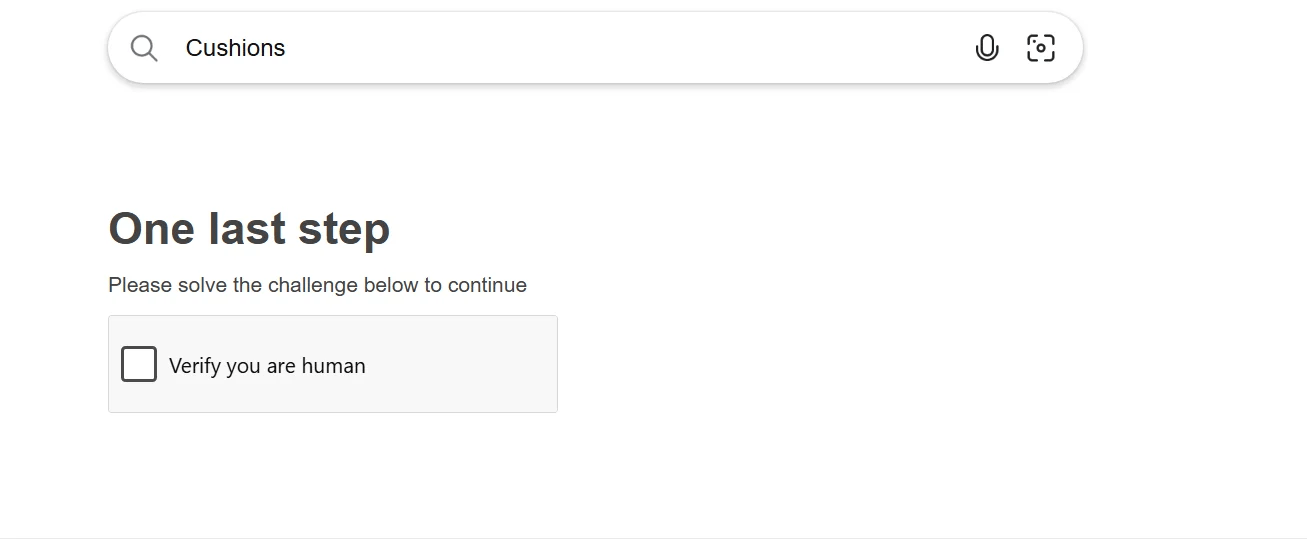
Microsoft Bing has begun prompting some users to verify they are human before showing search results, mirroring a practice Google has used for years. The change aims to curb automated traffic and could influence how small businesses appear in AI‑driven search tools.
Key Highlights
- ✓Bing now prompts users to verify they are human before showing results.
- ✓Verification appears intermittently, often for high‑volume or suspicious queries.
- ✓The change aims to curb bot‑driven spam and improve AI answer quality.
- ✓Businesses should adjust SEO tools, reinforce structured data, and consider AI‑visibility services.
What Happened
In early September 2024, a number of Microsoft Bing users encountered a pop‑up that asked them to prove they are human before any results loaded. The prompt usually appears as a simple CAPTCHA image, a reCAPTCHA checkbox, or a “Tap to prove you’re human” button on mobile devices. Google has relied on similar checks for years, especially when its systems suspect automated traffic. This is the first verified instance of Bing adopting the same approach.
Search Engine Roundtable was the first to document the behavior, noting that the verification shows up intermittently—typically when Bing detects unusual query patterns or a sudden surge of requests from a single IP address. Microsoft has not issued an official comment, but the rollout aligns with industry‑wide efforts to safeguard search integrity and to deter bot‑driven manipulation.
Key Details
- When: First spotted in early September 2024; the rollout continues.
- Who is affected: Primarily high‑volume or repetitive query users, though occasional legitimate users may also see the prompt.
- What the verification looks like: A classic CAPTCHA image, a reCAPTCHA checkbox, or a “Tap to prove you’re human” prompt on mobile.
- Why it matters to marketers: AI models such as ChatGPT, Gemini, and Perplexity now synthesize answers from search indexes. If bots flood the index with low‑quality content, those answers become less reliable, prompting search engines to tighten access.
- Impact on rankings: No formal penalty has been announced, but the added friction could slow crawl rates for sites that depend on automated SEO testing or data‑collection tools.
What It Means For Your Business
1. **Protect Your Brand From Bot Spam**
The verification step acts as a defensive barrier. By throttling automated traffic, Bing strives to keep spammy pages out of its index. For local businesses, a cleaner SERP means genuine, high‑quality listings have a better chance of standing out.
2. **Adjust Your SEO Tools**
Many marketers rely on scripts to monitor rankings or scrape snippets. Human verification can block or flag those scripts. To stay ahead, consider:
- Switching to human‑like browsing tools capable of solving CAPTCHAs.
- Lowering request frequency to stay beneath detection thresholds.
- Leveraging Bing’s API where it’s available, which bypasses the UI prompt.
3. **Double‑Down on Structured Data**
AI‑driven search assistants pull answers from structured data (Schema.org). Keeping your Google Business Profile, Bing Places, and on‑page schema accurate will help AI models surface your business even if overall crawl rates dip.
4. **Leverage VisibilityAI’s Services**
VisibilityAI specializes in making local businesses discoverable across AI platforms such as ChatGPT, Perplexity, and Gemini. By creating rich, citation‑ready content and placing it in trusted directories, we help you remain visible when search engines tighten access.
Action Checklist for Business Owners
- Audit your SEO tools to ensure they comply with Bing’s verification.
- Refresh schema markup on your site and verify NAP consistency across directories.
- Watch traffic patterns for spikes that could trigger verification and adjust ad spend if needed.
- Partner with a trusted AI‑visibility service (like VisibilityAI) to diversify discovery channels.
- Stay informed by following Bing’s webmaster blog for official updates.
Bottom Line
Bing’s decision to require human verification signals a shift toward prioritizing trustworthiness over sheer traffic volume. Small businesses can turn this development into an advantage by maintaining a robust, well‑structured online presence that AI tools can readily reference. Proactive adjustments now will help you stay visible in an increasingly AI‑centric search landscape.
Why This Matters For Your Business
The integrity of the search index directly influences the quality of AI‑generated answers that users see in chat‑based assistants. When Bing adds a human‑verification step, it reduces the likelihood that low‑quality or spammy content will be indexed, which in turn improves the relevance of the snippets and concise answers that AI models pull from Bing’s data. For businesses that depend on organic discovery, especially local firms that compete for voice‑search and AI‑driven queries, a cleaner SERP translates into higher visibility for genuine listings. At the same time, marketers who rely on automated tools for rank tracking must adapt their workflows—either by using Bing’s API or by employing human‑like browsing solutions—to avoid gaps in performance data. In short, staying ahead of Bing’s verification policy protects both the credibility of AI search results and the online reputation of legitimate businesses, ensuring they remain discoverable as the search landscape becomes increasingly AI‑focused.
Frequently Asked Questions
Will my website be penalized if I use automated SEO tools?
Not automatically. Excessive automated requests may trigger Bing’s verification, which can slow crawling. To stay safe, use the API or limit request frequency.
How can I ensure my business appears in AI‑generated answers?
Maintain accurate structured data (Schema.org), keep your Google Business Profile and Bing Places up‑to‑date, and earn citations from reputable directories.
Does this verification affect Google search results?
Bing’s verification is separate from Google’s systems. Google already uses similar checks, so the impact is limited to Bing and any AI tools that source directly from Bing.
Is your business showing up in AI search?
Get your free AI visibility audit - see if ChatGPT, Perplexity, and Google AI actually recommend you.