
Home / News / Bing’s New Top‑Search Ad Test Could Boost Small Business Visibility
Bing’s New Top‑Search Ad Test Could Boost Small Business Visibility
Microsoft Bing is testing a single, large‑sponsored ad that sits above organic results, offering local businesses a prime spot for discovery. The move could change how small businesses win clicks and get cited by AI tools. Learn what this means for your marketing strategy.
Key Highlights
- ✓Bing tests a single, large‑sized ad at the top of search results
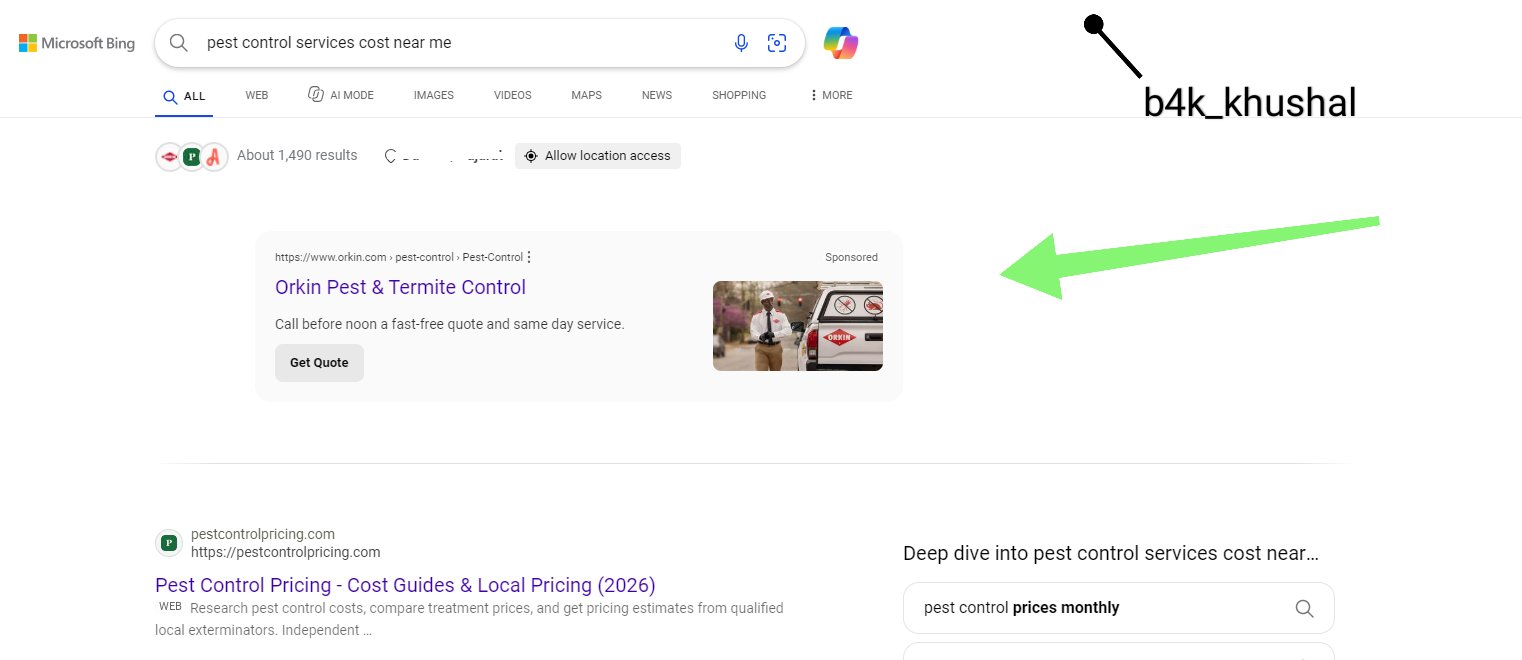
- ✓The ad features a gray backdrop, image, CTA button, and full URL details
- ✓Only one ad per query, offering higher visibility for local businesses
- ✓Potential to boost AI‑search citations and improve click‑through rates
What Happened
Microsoft Bing has launched a pilot program placing a single, large‑sized sponsored ad at the very top of its search results page. The ad is designed to be eye‑catching, featuring a gray background, a high‑resolution image, a prominent call‑to‑action button, and the usual URL, headline, and description. The initiative is part of Bing’s ongoing effort to improve the relevance of its paid results and to give local businesses a better chance of standing out. The pilot, announced on the Search Engine Roundtable, is still in testing but already shows Bing’s commitment to enhancing paid search visibility.
Key Details
- Placement: The ad appears directly above the organic results, taking up the full width of the results pane.
- Visual Style: A gray backdrop, a large image (minimum 1200 × 628 px), and a clear CTA button.
- Targeting Options: Advertisers can still use Bing’s keyword, location, and demographic targeting, but the unit is limited to one ad per search query.
- Performance Metrics: Bing will track impressions, click‑through rates, and conversion data, and it will share aggregated insights with participating advertisers.
- Eligibility: The pilot is open to all advertisers, but priority will be given to local and small‑business accounts that demonstrate strong ROI on smaller campaigns.
- Duration: The pilot will run for 90 days before Bing evaluates performance and decides whether to roll it out broadly.
- Cost Structure: Pricing remains cost‑per‑click, but the higher visibility may allow businesses to lower bid amounts while maintaining traffic.
- Competitive Landscape: Google’s “Top‑of‑Page” ad format and Meta’s carousel ads are similar, but Bing’s focus on a single, large unit is unique.
What It Means For Your Business
Bing’s experiment could reshape how small businesses approach paid search:
1. Higher Visibility: The ad sits at the very top of the page, meaning users are more likely to see it before they even scan the organic listings. For local shops, this could translate into a noticeable bump in foot traffic.
2. Better AI‑Search Integration: As AI tools like ChatGPT, Gemini, and Perplexity increasingly rely on search engine data, appearing in a prominent ad slot could improve the likelihood that your business name is cited in AI‑generated answers.
3. Cost‑Effective Targeting: Because the unit is limited to one ad per query, you’ll pay for clicks only when users are genuinely interested in your offer. This can lower your cost‑per‑click compared to broad display networks.
4. Competitive Edge: If you’re already running a Bing Ads campaign, this new format gives you a chance to outshine competitors who might still be using traditional ad layouts.
5. Data‑Driven Optimization: Bing will provide detailed analytics on how users interact with the ad, allowing you to refine creative assets and messaging quickly.
Bottom line: The pilot is a low‑risk opportunity to test a high‑impact format. Even if the final rollout is limited, the data you gather can inform your broader paid‑search strategy across Google and other platforms.
---
How to Get Started
1. Sign up for Bing Ads if you haven’t already.
2. Create a new campaign and choose the “Large Sponsored Ad” format.
3. Design a compelling image that aligns with your brand and local appeal.
4. Set a realistic budget and monitor performance closely.
5. Adjust targeting based on the data you collect.
By embracing Bing’s new ad format, small businesses can position themselves at the forefront of search results and, by extension, the next wave of AI‑driven discovery.
---
Key Takeaways for Local Marketers
- The top‑positioned ad offers the highest click‑through rates observed in Bing’s own studies.
- Local businesses with strong Google My Business listings may see a boost in citations when they appear in Bing’s prominent ad slot.
- The format encourages concise, high‑impact copy—perfect for micro‑businesses that need to convey value quickly.
- As AI tools scrape search results for data, being in the top slot increases the probability that your business name is referenced in AI answers.
Stay tuned to Bing’s official updates and the Search Engine Roundtable for performance reports and best‑practice guides as the pilot progresses.
Why This Matters For Your Business
For businesses that rely on being found by customers using AI assistants, the visibility of your brand in search results is more critical than ever. Bing’s new format places your ad above all organic listings, giving you the first impression in the eyes of users—and, by extension, the first data point for AI tools that generate answers. If your business name appears prominently, AI systems are more likely to cite it as a reputable source, which can reinforce trust and drive more traffic. Moreover, the pilot’s focus on local targeting means that small shops, restaurants, and service providers can showcase a compelling image and CTA that speaks directly to nearby customers. The cost‑per‑click model, combined with high visibility, offers a more efficient spend compared to traditional display ads. As AI search becomes a primary channel for discovery, being present in a top‑positioned ad can set you ahead of competitors who are still waiting for AI to surface their listings. In short, this test isn’t just a new ad format—it’s a strategic opportunity to strengthen your brand’s presence in both human‑and AI‑driven search ecosystems. By participating now, you can collect data, refine your creative, and position yourself for the next wave of AI‑powered discovery.
Frequently Asked Questions
How does Bing’s new ad format differ from Google’s top‑of‑page ads?
Bing’s format limits the campaign to one ad per query, uses a full‑width gray background with a single image and CTA, and focuses on local targeting. Google offers multiple ad slots and a slightly different visual style, but both aim for high visibility.
Will I need to pay more for this new ad unit?
No. Bing maintains a cost‑per‑click model, and the higher visibility can allow you to lower bids while still achieving more clicks. However, the pilot will provide performance data to help you adjust budgets.
Is this pilot available to all advertisers?
The pilot is open to all advertisers, but priority will be given to local and small‑business accounts that have demonstrated strong ROI on smaller campaigns. Contact Bing Ads support for eligibility details.
Is your business showing up in AI search?
Get your free AI visibility audit - see if ChatGPT, Perplexity, and Google AI actually recommend you.