
Home / News / ChatGPT’s Virtual Try‑On Feature: A Game Changer for Small Retailers
ChatGPT’s Virtual Try‑On Feature: A Game Changer for Small Retailers
OpenAI’s new Virtual Try‑On feature lets shoppers preview clothing and accessories right inside ChatGPT, turning the chat window into a digital fitting room. Small businesses can use the tool to boost product discovery, lower return rates, and drive sales while keeping their brand visible in the next wave of AI‑powered search. The capability works on mobile and desktop, storing try‑on images in a user library for easy comparison and sharing.
Key Highlights
- ✓ChatGPT’s new virtual try‑on lets customers preview clothes in real time
- ✓AI‑powered try‑ons boost discovery and reduce return rates
- ✓Small retailers can create localized try‑on experiences for higher engagement
- ✓Data insights from try‑ons help optimize inventory and marketing
What Happened
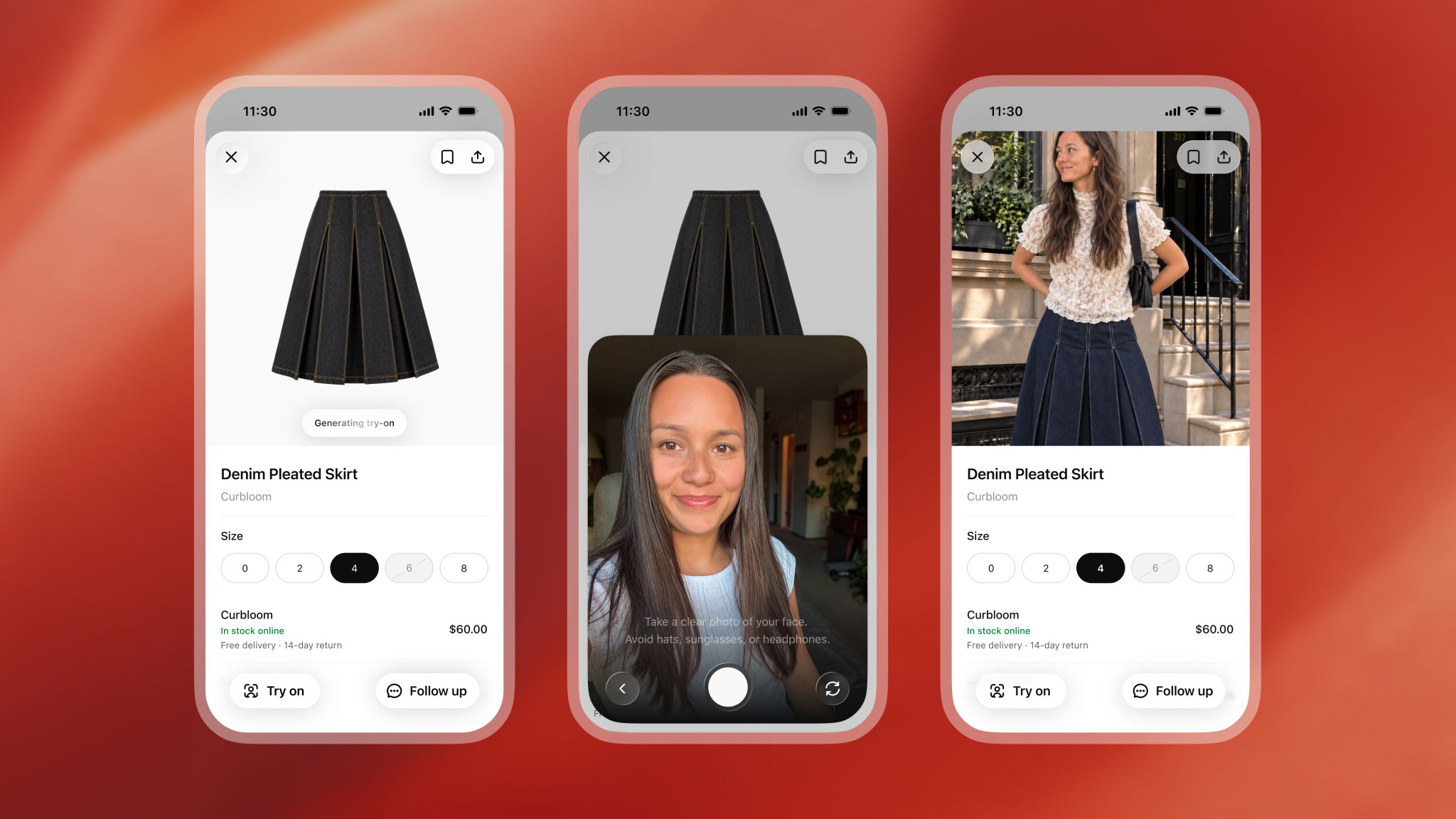
OpenAI has introduced a Virtual Try‑On capability for ChatGPT, available on both mobile and web platforms. When users browse clothing or accessory listings, a “Try on” button appears. By taking or uploading a selfie, ChatGPT superimposes the item onto the photo, creating a realistic preview. The reference image is saved in the user’s ChatGPT Library, where it can be reused or deleted via Settings → Personalization.
Key Details
- Instant visual feedback – Try‑ons happen inside ChatGPT, so users never need to leave the chat.
- Cross‑device support – Works on iOS, Android, and desktop browsers.
- Library integration – Saved try‑ons become part of the user’s library, enabling easy comparison and sharing.
- Favorites & folders – Users can bookmark items and organize them into folders for later reference.
- Privacy controls – Users can delete or replace reference photos in Settings.
- AI‑powered suggestions – ChatGPT can recommend complementary items or styling tips after a try‑on.
What It Means For Your Business
1. Higher Discovery by AI Search Engines
Search engines and AI assistants (ChatGPT, Gemini, Perplexity, Google AI) increasingly rely on structured product data. When a user tries on a product in ChatGPT, the interaction can be logged and indexed, making your listings more likely to surface in AI‑driven queries such as “Show me a red leather jacket that fits me.” By ensuring your product catalog is richly tagged and AI‑friendly, you’ll benefit from higher visibility.
2. Reduced Cart Abandonment
Virtual try‑ons lower uncertainty. Industry studies show that visual confirmation can cut return rates by up to 30 %. If your customers can see how an item looks on them before purchasing, they’re more confident and more likely to complete the sale.
3. Localized Marketing Opportunities
Small retailers can create location‑specific try‑on experiences. For example, a boutique in Asheville can showcase its seasonal collection with a “Try on Asheville style” prompt, tying the experience to local fashion trends. AI assistants can surface these local offers in contextual searches.
4. Enhanced Social Sharing
Users can share their try‑on images directly from ChatGPT to social platforms. This organic promotion spreads brand awareness and can drive foot traffic or online orders, especially if paired with a unique hashtag or QR code linking back to your store.
5. Data‑Driven Insights
By tracking which items are tried on most often, you can identify hot products, seasonal trends, and inventory gaps. Use this data to adjust stock, pricing, or marketing campaigns in real time.
6. Action Steps for Small Businesses
- Optimize your product schema – Implement schema.org product markup with clear titles, prices, and high‑quality images.
- Add high‑resolution photos – The better the image, the more accurate the virtual try‑on.
- Encourage user selfies – Prompt customers to upload a photo when they view a product.
- Create a “Try‑On” landing page – Link your catalog to ChatGPT’s try‑on feature via a simple URL or QR code.
- Leverage AI‑generated styling tips – Offer complementary items automatically after a try‑on to increase average order value.
- Monitor AI search rankings – Use tools like VisibilityAI to track how often your products appear in AI assistant results.
- Collect feedback – Ask users about their try‑on experience to refine product images and descriptions.
Future Outlook
As AI assistants become the default search medium for consumers, features like virtual try‑ons will become standard expectations. Businesses that adopt early and optimize their catalogs for AI discovery will gain a competitive edge, driving both online traffic and in‑store visits.
By integrating ChatGPT’s virtual try‑on into your marketing strategy, you can turn AI interactions into tangible sales opportunities while ensuring your brand remains top‑of‑mind in the next wave of AI‑powered commerce.
Why It Matters
For local and small businesses, visibility in AI assistants is becoming as critical as traditional search rankings. When customers use ChatGPT or Google AI to ask for style recommendations, the assistant will surface products that are properly structured, visually engaging, and AI‑friendly. By enabling virtual try‑ons, you give users a compelling reason to choose your brand over a competitor’s, which directly translates to higher click‑through rates and conversion.
Moreover, AI assistants are increasingly acting as recommendation engines. If your products appear in a virtual try‑on, the assistant can automatically suggest related items, boosting cross‑sell opportunities. This feature also offers a unique touchpoint that can be shared on social media, creating organic reach that drives both online and foot‑traffic sales.
In short, embracing ChatGPT’s virtual try‑on is not just a tech upgrade—it’s a strategic move to stay visible, relevant, and profitable in the evolving AI‑driven marketplace.
FAQs: [{"question":"How do I get my products listed for virtual try‑on in ChatGPT?","answer":"Ensure your catalog uses schema.org product markup, upload high‑resolution images, and register with OpenAI’s merchant partner program. Once approved, your products will appear with the \"Try on\" button in ChatGPT."},{"question":"Can I use my existing e‑commerce platform to support this feature?","answer":"Yes. Most major platforms (Shopify, WooCommerce, BigCommerce) support schema markup and can be integrated with AI tools. You’ll need to add the appropriate JSON‑LD tags and ensure images meet the required dimensions."},{"question":"Will my customers need to create a ChatGPT account to try on items?","answer":"The try‑on feature works for all users, but a ChatGPT account allows saving try‑ons to the Library and organizing them. If you want to capture customer data, encourage sign‑ups through a QR code or link."}]
Why This Matters For Your Business
The Virtual Try‑On feature turns ChatGPT into a virtual fitting room, giving shoppers an interactive way to see how clothing and accessories will look on them before buying. This reduces uncertainty, lowers return rates, and boosts confidence in purchases—benefits that translate directly into higher conversion rates for small retailers. Additionally, because AI assistants index these try‑on interactions, properly structured products gain more visibility in AI‑driven searches, keeping your brand front‑and‑center in a marketplace that is increasingly dominated by conversational AI.
Frequently Asked Questions
How do I get my products listed for virtual try‑on in ChatGPT?
Ensure your catalog uses schema.org product markup, upload high‑resolution images, and register with OpenAI’s merchant partner program. Once approved, your products will appear with the "Try on" button in ChatGPT.
Can I use my existing e‑commerce platform to support this feature?
Yes. Most major platforms (Shopify, WooCommerce, BigCommerce) support schema markup and can be integrated with AI tools. You’ll need to add the appropriate JSON‑LD tags and ensure images meet the required dimensions.
Will my customers need to create a ChatGPT account to try on items?
The try‑on feature works for all users, but a ChatGPT account allows saving try‑ons to the Library and organizing them. If you want to capture customer data, encourage sign‑ups through a QR code or link.
Is your business showing up in AI search?
Get your free AI visibility audit - see if ChatGPT, Perplexity, and Google AI actually recommend you.