
Home / News / Google Ad Tech, AI Mode, Gemini, AdSense: Small Biz Takeaways
Google Ad Tech, AI Mode, Gemini, AdSense: Small Biz Takeaways
Google has once again avoided breaking up its ad‑tech monopoly, launched AI Mode as the default search experience, and introduced Gemini 3.8 Flash, which does not cite external sources. These shifts force local businesses to adapt to revised ad‑impression rules, AI‑driven visibility, and tighter spam controls.
Key Highlights
- ✓Google keeps its ad‑tech monopoly intact
- ✓AI Mode is now default, powered by Gemini 3.8 Flash
- ✓AdSense impression counting changes could affect revenue
- ✓Google’s spam teams and disavow tool remain active
What Happened
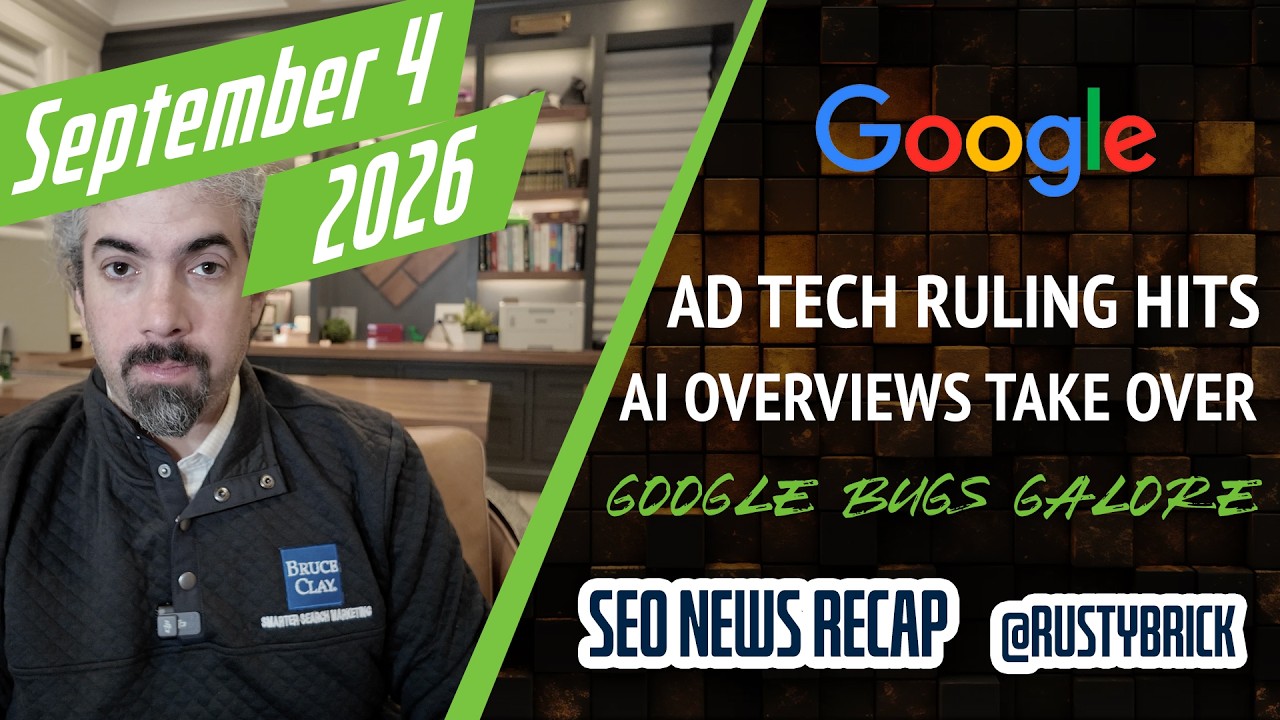
Google’s latest video recap from Search Engine Roundtable highlighted several pivotal updates that could reshape how local businesses get discovered.
- Ad‑Tech Monopoly: Google reaffirmed that its dominant position in the ad‑tech ecosystem remains intact, sidestepping any regulatory breakup.
- AI Mode Expansion: Google AI Overviews now default to AI Mode, effectively turning every search into an AI‑enhanced experience.
- Gemini 3.8 Flash: The new Gemini model powers AI Mode but reportedly fails to link or cite external sources, raising questions about content credibility.
- AdSense Impression Changes: Google is tweaking how impressions are counted, a move that could affect revenue calculations for publishers.
- Bug Alerts: Issues with Google Discover loading, content disappearing from the News tab, and delayed continue buttons for human verification were all reported.
These changes are not just tech jargon; they directly impact how small businesses appear in search results and how advertisers pay for visibility.
Key Details
Ad‑Tech Monopoly Holds
Google’s decision to keep its ad‑tech monopoly intact means that local businesses will continue to rely on Google Ads, AdSense, and the broader Google Marketing Platform for reaching customers. However, the new AdSense impression changes—which now count impressions based on a more granular view of user interaction—could shift the cost‑per‑click (CPC) landscape.
AI Mode Takes Over
AI Mode is no longer an optional setting; it’s the default for Google AI Overviews. This means:
- Every search result is now accompanied by an AI‑generated summary.
- The AI model (Gemini 3.8 Flash) is trained on a massive knowledge graph but does not currently link or cite external sources, which can reduce trust signals for content creators.
- Local businesses need to ensure their content is clear, authoritative, and well‑structured so the AI can surface it accurately.
Gemini 3.8 Flash & Citing Issues
Gemini’s lack of linking or citing external references poses a challenge for businesses that rely on citations to boost credibility. Google’s comment that it does not penalize “old crusty links that may later link to shady content” suggests a shift in how the search engine evaluates link quality.
AdSense & Spam Controls
Google reaffirmed that its search spam teams are still actively fighting spam, and the disavow link tool is being highlighted as a critical resource. The new AI performance reports in Search Console will help marketers see how AI Mode impacts click‑through rates and impressions.
Other Updates
- Google Trends now lets you filter by pre‑defined categories, allowing marketers to target niche interests more precisely.
- Google is testing a human verification feature that delays the continue button to confirm that the searcher is not a bot.
- The European search dataset licensing program was detailed, offering new data sources for advertisers.
What It Means For Your Business
1. Adjust Your Ad Strategy
With the AdSense impression changes, you may see a shift in how many impressions count toward revenue. Review your campaign metrics closely to identify any sudden drops or increases in CPC. Consider diversifying your ad spend across platforms like Bing Ads or Meta to hedge against volatility.
2. Optimize for AI Mode
Because AI Mode is now the default, your content must be AI‑friendly: clear headings, concise paragraphs, and schema markup that the AI can parse. Adding structured data (FAQ, How‑to, Product) will help the AI generate accurate summaries and increase your chances of appearing in the AI‑enhanced snippets.
3. Strengthen Your Citation Profile
Gemini’s lack of citations means that your own citations become even more critical. Build a robust backlink profile from reputable local directories, industry blogs, and partner sites. Use the disavow tool sparingly to remove any low‑quality or spammy links that could hurt your domain authority.
4. Leverage AI Performance Reports
Google Search Console’s newly rolled‑out AI performance reports provide insights into how AI Mode is affecting user engagement. Use these data points to tweak your landing pages, meta descriptions, and call‑to‑action buttons for higher conversion rates.
5. Stay Informed About Bugs & Updates
Google Discover’s intermittent loading and the disappearing content from the News tab could affect your brand visibility. Keep your website’s health in check, regularly audit for broken links, and use tools like Google’s PageSpeed Insights to ensure fast load times.
In short, the landscape is shifting, but with proactive optimization you can maintain—and even grow—your visibility in an AI‑driven search ecosystem.
FAQs
Q1: Will Google’s monopoly decision affect local businesses’ ad pricing?
A1: It could. While the monopoly itself doesn’t change pricing, the new AdSense impression changes might alter how impressions are counted, potentially affecting CPC and CPM calculations.
Q2: How can I ensure my content is AI‑friendly?
A2: Use clear headings, concise paragraphs, and schema markup. Focus on answering common questions in a structured format, and keep your content up‑to‑date so the AI can trust it.
Q3: Why is Gemini not citing sources, and should I worry?
A3: Gemini 3.8 Flash prioritizes speed over citation. As a result, the AI may not link to external references. Strengthen your own citations and backlinks to maintain credibility.
Why It Matters
For local businesses, the shift to AI Mode means your content must be optimized not just for human readers but for AI algorithms that generate search summaries. If your pages aren’t AI‑friendly, you risk falling out of the featured snippets that drive traffic.
The new AdSense impression rules could change how many clicks you pay for and how much revenue you earn from ads on partner sites. Understanding these nuances allows you to refine your bidding strategy and avoid wasted spend.
Gemini’s lack of citation means that the only way your business can appear as a trusted source is through high‑quality backlinks and structured data. Investing in a solid citation profile now will pay dividends as AI models evolve.
Why This Matters For Your Business
Local businesses operate in an ecosystem where visibility directly translates to revenue. The default AI Mode reshapes search results, making it imperative that content is structured for AI comprehension. Simultaneously, the revised AdSense impression rules alter how publishers earn revenue, which can ripple into ad budgets and pricing strategies. Finally, Gemini’s omission of citations elevates the importance of authoritative backlinks, ensuring that a business’s online presence remains credible in an AI‑driven landscape.
Frequently Asked Questions
Will Google’s monopoly decision affect local businesses’ ad pricing?
It could. While the monopoly itself doesn’t change pricing, the new AdSense impression changes might alter how impressions are counted, potentially affecting CPC and CPM calculations.
How can I ensure my content is AI‑friendly?
Use clear headings, concise paragraphs, and schema markup. Focus on answering common questions in a structured format, and keep your content up‑to‑date so the AI can trust it.
Why is Gemini not citing sources, and should I worry?
Gemini 3.8 Flash prioritizes speed over citation. As a result, the AI may not link to external references. Strengthen your own citations and backlinks to maintain credibility.
Is your business showing up in AI search?
Get your free AI visibility audit - see if ChatGPT, Perplexity, and Google AI actually recommend you.