
Home / News / Google Adds Goto URL Redirects to Search Results – Business Impact
Google Adds Goto URL Redirects to Search Results – Business Impact
Google has rolled out a new redirect layer for its search results, adding a protective step before users reach the final page. The change, designed to curb scraping abuse, will affect third‑party tracking tools and AI‑driven discovery services. Business owners should update their data pipelines and monitor reporting to stay ahead.
Key Highlights
- ✓Google adds a redirect layer to search result links
- ✓The change hinders automated scraping tools like SerpAPI
- ✓Search Console data remains unaffected
- ✓Businesses must update tracking tools to avoid data gaps
What Happened
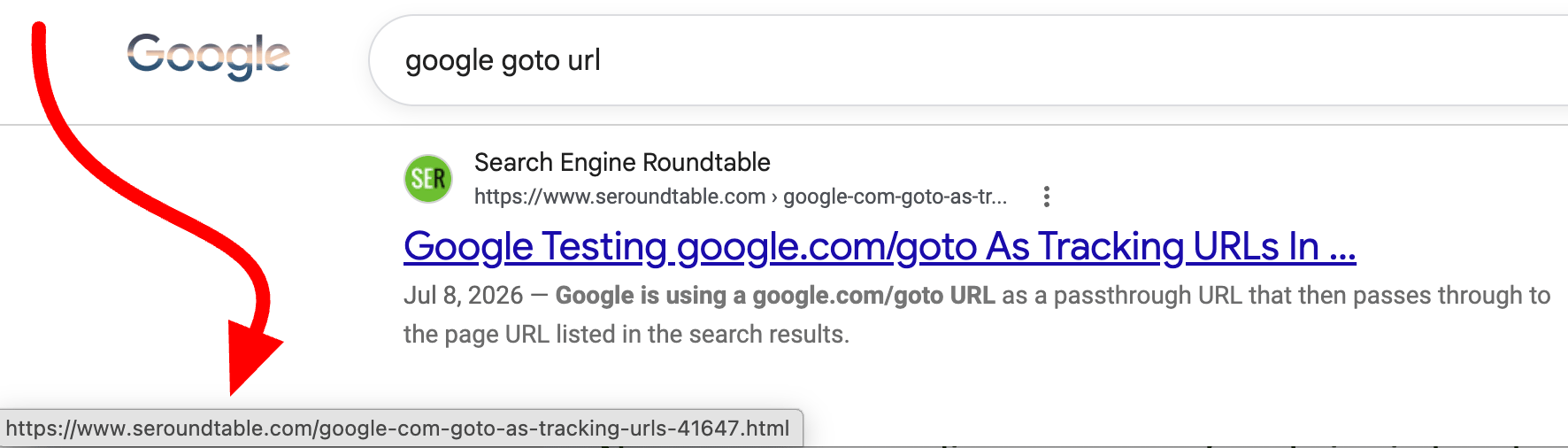
Google has officially introduced a new technical safeguard across its search results. Every link now points to a https://www.google.com/goto?url=[hashURL] redirect before taking the user to the final destination. This change is part of Google’s ongoing effort to curb abuse of its listings and protect both users and the platform from malicious actors.
Key Details
- Redirect Mechanism – The link now points to a
google.com/gotoURL that embeds a hashed version of the target address ([hashURL]). When you click, Google first processes the request and then forwards you to the intended site. - Scope of Rollout – Industry observers and Google spokespersons report that the feature is live on nearly every residential IP worldwide, with a near‑100 % deployment across major providers.
- Impact on Scraping – By masking the true URL, the redirect makes it harder for automated tools—such as SerpAPI and similar third‑party services—to harvest link destinations, thereby curbing scraping abuse.
- Search Console Unaffected – Google confirms that data collection in Search Console remains unchanged; the redirect is strictly a front‑end tweak for the user experience.
- User Experience – Users no longer see the full destination in the address bar, but the snippet still displays the canonical URL beneath the title.
What It Means For Your Business
1. Third‑Party Tracking Tools
If you rely on services that pull raw SERP data—such as keyword‑ranking dashboards or SERP APIs—you may notice discrepancies in click‑through reports or link counts. These tools will need to update their parsers to accommodate the new redirect format, or they risk missing impressions and skewing performance metrics.
2. AI‑Powered Discovery
Platforms that scrape Google results to build local business citations or generate AI responses, like VisibilityAI, will need to adapt. The redirect could delay or block automated crawls, potentially reducing the freshness of your citations in AI assistants such as ChatGPT or Perplexity.
3. SEO Audits and Reporting
Audits that track backlink acquisition from Google search results must adjust their methodologies. While the landing page remains unchanged, reporting systems must recognize the hash URL to maintain accurate click‑through metrics.
4. Competitive Advantage
Businesses that proactively update their tools and monitoring systems can keep data flowing smoothly. Those that lag may experience gaps in reporting, which could influence campaign decisions and budget allocations.
5. Future Proofing
Google’s move signals a broader trend toward tighter control over search result manipulation. Staying ahead means regularly reviewing API documentation, engaging with tool vendors, and investing in data pipelines that can absorb such changes without manual intervention.
Action Checklist for Business Owners
- Audit Your Tools – Verify that your SERP tracking services still parse clicks correctly. Reach out to vendors if anomalies appear.
- Update Automation Scripts – If you run custom scraping scripts, modify them to follow the
google.com/gotoredirect or use Google’s official APIs. - Monitor Data Quality – Compare click‑through rates before and after the rollout. Look for sudden drops or inconsistencies.
- Engage with VisibilityAI – Check with VisibilityAI support for guidance on how the redirect may affect citation discovery and AI content generation.
- Plan for Long‑Term – Consider building a fallback system that can handle future changes in Google’s link handling.
Future Outlook
Google’s introduction of the goto redirect is likely the tip of the iceberg. As AI engines become more sophisticated, search engines will continue tightening access to raw result data. For local businesses, this means:
- Reliance on Official APIs – Instead of scraping, use Google’s official Search Console API or the Programmable Search Engine (Custom Search JSON API) to retrieve structured results.
- Diversify Discovery Channels – Complement Google with Bing, DuckDuckGo, and niche directories to reduce dependency on a single platform.
- Invest in AI‑Friendly Metadata – Structured data (Schema.org) and rich snippets help AI tools understand your business context without needing to scrape URLs.
Legal Implications
The redirect reinforces Google’s stance against unauthorized scraping, aligning with recent legal actions against companies like SerpAPI. Businesses that use scraped data for commercial purposes may expose themselves to compliance risks. Staying compliant means using licensed data sources and respecting robots.txt directives.
Why It Matters
The new goto redirect forces any automated system that pulls Google SERP data—whether for SEO reporting, local business citation, or AI content generation—to handle an extra redirection step. For local businesses, this can translate into delayed or incomplete data feeds, which in turn affect how AI assistants like ChatGPT or Perplexity surface your listings. If your citation data isn’t current, AI tools may reference outdated URLs or miss your business altogether.
Moreover, Google’s tightening of access signals a broader shift toward protecting search integrity. Businesses that rely on third‑party scraping services risk not only data inaccuracies but also potential legal exposure. By proactively adapting your data pipelines, you safeguard your visibility across both traditional search and emerging AI‑driven discovery platforms.
FAQs
- Will this change affect my website’s ranking? No. The redirect is a front‑end tweak that does not influence how Google evaluates relevance or ranking.
- Do I need to change my Google My Business listing? No direct changes are required. Keeping the listing up‑to‑date and using a clean URL structure will help AI tools interpret your business accurately.
- How can I monitor if my tracking tools are impacted? Look for sudden drops in click‑through or impression data and confirm that your tools still capture the correct destination URLs. Reach out to vendors for updates if anomalies appear.
Why This Matters For Your Business
The new `goto` redirect forces any automated system that pulls Google SERP data—whether for SEO reporting, local business citation, or AI content generation—to handle an extra redirection step. For local businesses, this can translate into delayed or incomplete data feeds, which in turn affect how AI assistants like ChatGPT or Perplexity surface your listings. If your citation data isn’t current, AI tools may reference outdated URLs or miss your business altogether. Moreover, Google’s tightening of access signals a broader shift toward protecting search integrity. Businesses that rely on third‑party scraping services risk not only data inaccuracies but also potential legal exposure. By proactively adapting your data pipelines, you safeguard your visibility across both traditional search and emerging AI‑driven discovery platforms.
Frequently Asked Questions
Will this change affect my website’s ranking?
No. The redirect is a front‑end tweak that does not influence how Google evaluates relevance or ranking.
Do I need to change my Google My Business listing?
No direct changes are required. Keeping the listing up‑to‑date and using a clean URL structure will help AI tools interpret your business accurately.
How can I monitor if my tracking tools are impacted?
Look for sudden drops in click‑through or impression data and confirm that your tools still capture the correct destination URLs. Reach out to vendors for updates if anomalies appear.
Is your business showing up in AI search?
Get your free AI visibility audit - see if ChatGPT, Perplexity, and Google AI actually recommend you.