Home / News / Google Ads Rolls Out Video Campaign Groups Globally for Enhanced Ad Management
Google Ads Rolls Out Video Campaign Groups Globally for Enhanced Ad Management
Google Ads introduces video campaign groups to simplify YouTube ad management, improve audience reach, and reduce overexposure. This feature allows advertisers to group multiple campaigns under a shared reach or frequency goal, streamlining campaign management and improving media efficiency.
Key Highlights
- ✓Video campaign groups for YouTube reach and frequency campaigns are now available globally in Google Ads
- ✓Advertisers can group multiple video campaigns under a single reach or frequency objective
- ✓Unified reporting across grouped campaigns provides visibility into key metrics
- ✓Feature can improve media efficiency by reducing unnecessary overlap and maximizing unique reach
What Happened
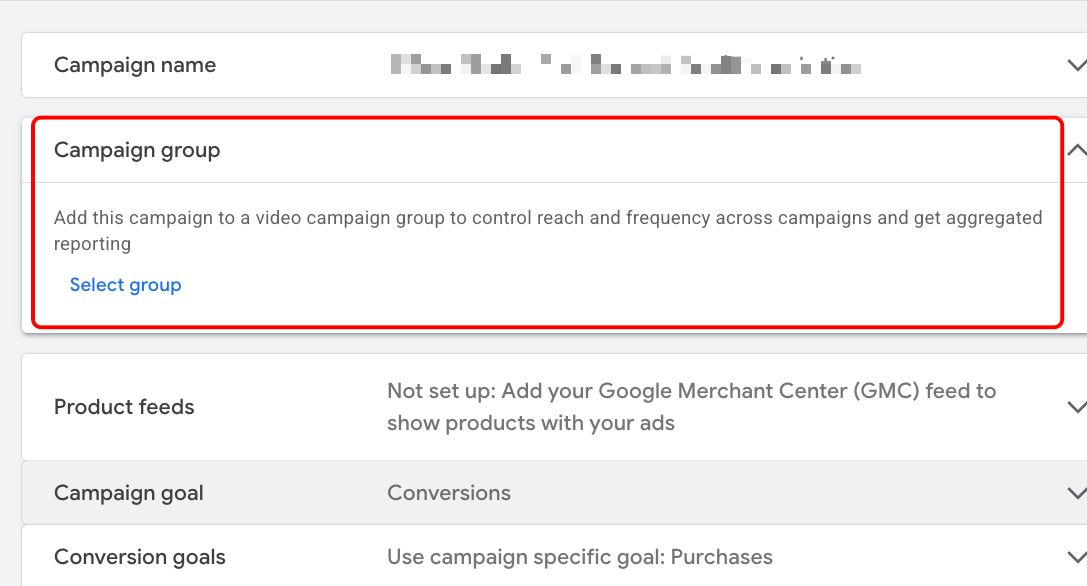
Google Ads has rolled out video campaign groups globally, giving advertisers a new way to coordinate delivery across multiple video campaigns while optimizing toward a shared reach or frequency goal. This feature is designed to simplify campaign management while helping advertisers improve audience reach and avoid overexposure.
Key Details
Video campaign groups for YouTube reach and frequency campaigns are now available globally in Google Ads. Advertisers can group multiple video campaigns under a single reach or frequency objective while still maintaining campaign-level controls, including budgets, creative assets, and other settings. The update also introduces unified reporting across grouped campaigns, providing visibility into metrics such as:
- Unique reach
- Average weekly impressions
- Reach and frequency performance across the entire campaign group
According to Google, a Meridian marketing mix modeling (MMM) study found that an optimal frequency of 2.7 impressions per week resulted in a 19% increase in ROI.
What It Means For Your Business
Managing reach and frequency across multiple YouTube campaigns has traditionally required advertisers to monitor performance campaign by campaign. Video campaign groups centralize optimization and reporting, making it easier to control audience exposure while maintaining separate budgets and creative strategies. For brands running large awareness campaigns, the feature could improve media efficiency by reducing unnecessary overlap and helping maximize unique reach.
Google continues to invest in cross-campaign optimization tools that automate media planning decisions without removing campaign-level flexibility. By coordinating delivery across campaigns, advertisers can focus more on overall audience strategy rather than manually balancing frequency across individual campaigns. The company also confirmed that the feature will expand to Display & Video 360, allowing advertisers to coordinate reach and frequency across multiple campaigns.
Why It Matters
This update matters for businesses trying to get found and cited by AI search tools like Google, ChatGPT, and Perplexity. With Google Ads rolling out video campaign groups globally, businesses can now simplify their YouTube ad management, improve audience reach, and reduce overexposure. This feature can help businesses maximize their media efficiency, reduce unnecessary overlap, and increase their unique reach. By optimizing their ad campaigns with video campaign groups, businesses can improve their overall audience strategy and increase their ROI.
Key Highlights
- Video campaign groups for YouTube reach and frequency campaigns are now available globally in Google Ads
- Advertisers can group multiple video campaigns under a single reach or frequency objective
- Unified reporting across grouped campaigns provides visibility into key metrics
- Feature can improve media efficiency by reducing unnecessary overlap and maximizing unique reach
- Expansion to Display & Video 360 will allow advertisers to coordinate reach and frequency across multiple campaigns
FAQs
- Q1: What are video campaign groups in Google Ads?
- A1: Video campaign groups are a new feature in Google Ads that allows advertisers to group multiple video campaigns under a single reach or frequency objective, simplifying campaign management and improving audience reach.
- Q2: How do video campaign groups improve media efficiency?
- A2: Video campaign groups can improve media efficiency by reducing unnecessary overlap and helping maximize unique reach, allowing advertisers to focus more on overall audience strategy.
- Q3: Will video campaign groups expand to Display & Video 360?
- A3: Yes, Google has confirmed that the feature will expand to Display & Video 360, allowing advertisers to coordinate reach and frequency across multiple campaigns.
Why This Matters For Your Business
This update matters for businesses trying to get found and cited by AI search tools like Google, ChatGPT, and Perplexity. With Google Ads rolling out video campaign groups globally, businesses can now simplify their YouTube ad management, improve audience reach, and reduce overexposure. This feature can help businesses maximize their media efficiency, reduce unnecessary overlap, and increase their unique reach. By optimizing their ad campaigns with video campaign groups, businesses can improve their overall audience strategy and increase their ROI.
Frequently Asked Questions
Q1: What are video campaign groups in Google Ads?
Video campaign groups are a new feature in Google Ads that allows advertisers to group multiple video campaigns under a single reach or frequency objective, simplifying campaign management and improving audience reach.
Q2: How do video campaign groups improve media efficiency?
Video campaign groups can improve media efficiency by reducing unnecessary overlap and helping maximize unique reach, allowing advertisers to focus more on overall audience strategy.
Q3: Will video campaign groups expand to Display & Video 360?
Yes, Google has confirmed that the feature will expand to Display & Video 360, allowing advertisers to coordinate reach and frequency across multiple campaigns.
Is your business showing up in AI search?
Get your free AI visibility audit — see if ChatGPT, Perplexity, and Google AI actually recommend you.