Home / News / Google Ads Sitelinks Format In AI Mode
Google Ads Sitelinks Format In AI Mode
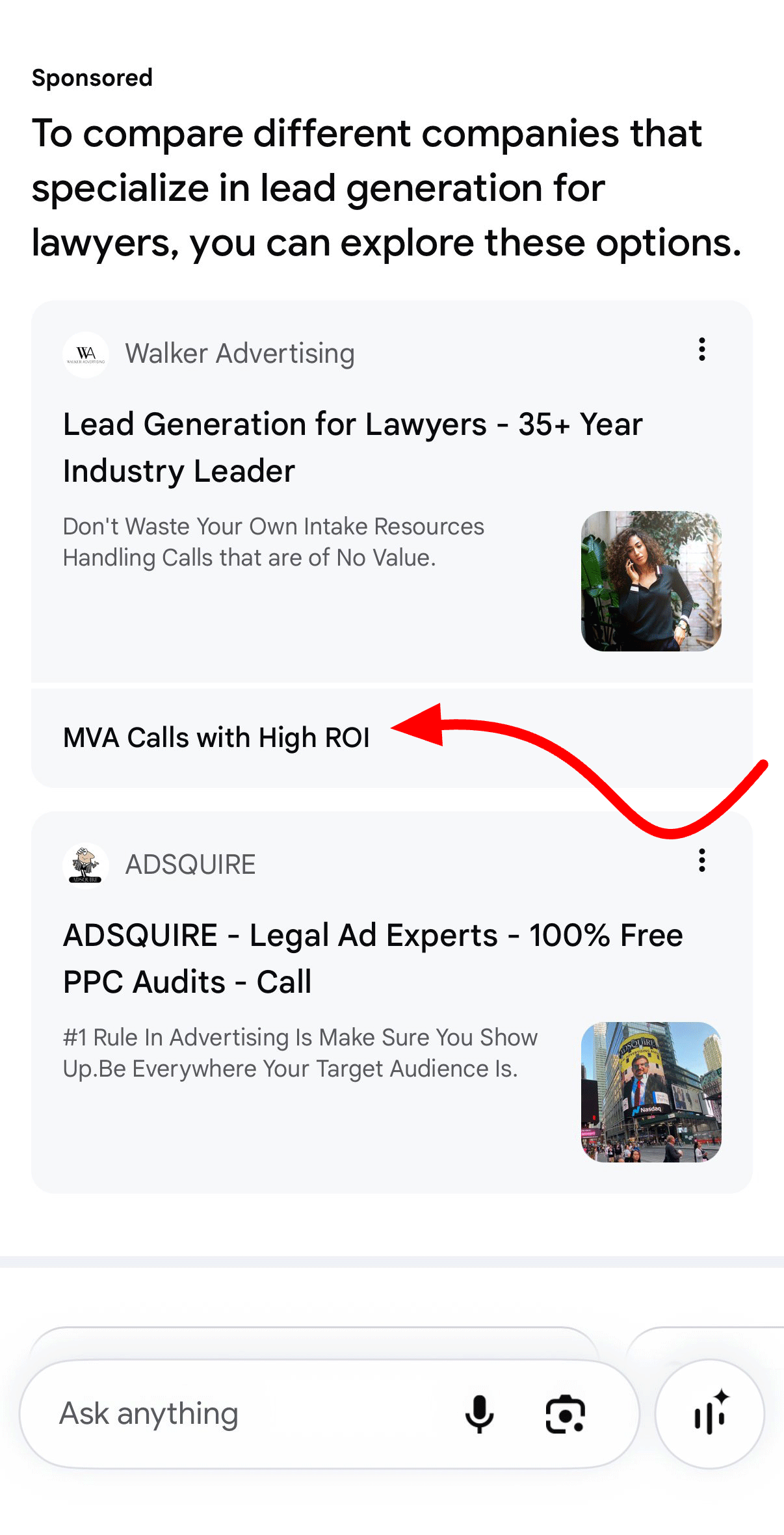
Google is piloting a new sitelink format inside its AI Mode, weaving paid links directly into the conversational response to boost clicks. First spotted by Barry Schwartz, the test shows traditional sitelinks now appear alongside AI‑generated answers, giving users instant access to specific pages. Businesses must adjust ad relevance, clickability, and structured data to stay competitive in this hybrid search environment.
Key Highlights
- ✓Google is testing Sitelinks within AI Mode to monetize the new search experience.
- ✓The format appears integrated into the AI conversation rather than a separate sidebar.
- ✓Google is actively testing CTR (click-through rates) to determine the best ad placement.
- ✓The visual layout has been described by experts as looking 'off' or potentially confusing.
- ✓This signals a shift from passive organic discovery to active paid integration.
What Happened: Google Ads Expands into AI Mode
For months, marketers have wondered how Google would monetize its new AI Mode. The answer seems clear: by embedding familiar ad formats directly into the generative‑AI interface. Search Engine Roundtable recently revealed that Google is testing a novel sitelink format designed for AI Mode.
Barry Schwartz, a longtime industry observer, brought the change to light after Anthony Higman posted a screenshot on X. The image shows conventional sitelinks embedded inside the AI‑generated response, giving users quick access to targeted pages on a business’s site.
Key Details of the New Format
- Visual Integration – Unlike the isolated placement of traditional search ads, the new sitelinks appear to merge with the AI’s conversational output, either as part of the recommended resources or as a distinct call‑to‑action block.
- Monetization Strategy – Google is experimenting with several ad formats to identify the one that yields the highest click‑through rate. In classic search, CTR drives revenue; in AI Mode, the real question is whether users will click links surfaced by an AI assistant.
- The "Off" Factor – Schwartz noted that the format "looks off," indicating that the interface is still maturing. The sitelinks might feel cluttered or disjointed to users accustomed to a streamlined, organic AI dialogue.
- Source Attribution – This format builds on the classic Google Ads sitelinks, which let advertisers point to specific pages—such as "Contact Us" or "Pricing"—instead of merely the homepage.
What It Means For Your Business
Local and small businesses should treat this as a wake‑up call. The age of passive SEO—where a mere citation was enough—has ended. Google now competes directly with its AI summaries for user attention, deploying every available tool to capture traffic.
1. The Death of the "Passive" Citation
Previously, a single AI citation was a win. Today, that citation may sit between an organic result and a paid ad. You must move beyond mere mention and become the preferred destination when a user is ready to act.
2. Ad Relevance is Critical
Sitelinks inside AI Mode elevate the importance of ad relevance. Generic sitelinks may fail to surface; you must fine‑tune extensions to match the specific conversational queries your customers pose.
3. Optimize for Clickability
Since Google is measuring which links get clicks, audit your internal linking. Ensure that your key pages—products, services, locations—are reachable via ad extensions, so users find a clear path once the AI surfaces your brand.
4. Prepare for the "Paid AI" Ecosystem
This is only the first step. As Google monetizes AI Mode, expect additional formats—video, carousel, shopping ads—to appear within the chat. Businesses that overlook this evolution risk fading into obscurity on the world’s most powerful search platform.
Why This Matters Specifically for VisibilityAI
The development aligns with VisibilityAI’s mission—to guide businesses through the shift from conventional search to AI‑driven discovery. The AI landscape is no longer a zero‑sum contest between organic and paid; rather, both coexist in a complex ecosystem.
For local businesses aiming to appear in AI tools like ChatGPT or Perplexity, the Google move is a double‑edged sword. It signals that Google is committed to monetizing AI, but also that the fight for visibility is intensifying. Relying solely on good SEO is no longer enough; businesses must strategically position their data for both algorithms and users in this hybrid landscape.
Why It Matters
The shift marks a turning point for businesses that depend on organic visibility. AI Mode is no longer a safe haven for organic results; it has become a battlefield for attention. Firms optimized only for traditional SEO risk having their citations eclipsed by paid sitelinks. For VisibilityAI clients, the focus must shift from merely being cited to presenting the most compelling option when a user is ready to click. Competing with paid placements demands high‑quality, structured data and finely tuned ad extensions.
FAQs
- Are these ads visible to everyone right now?
No, this is currently a test. Google is likely running this format for a small percentage of users to measure performance before a wider rollout.
- How do I optimize my ads for this new format?
Focus on relevance and clarity. Ensure your sitelinks clearly describe the destination page and answer the user’s specific intent within the AI response.
- Will this hurt my organic rankings?
Not necessarily. In fact, having your ads appear in AI Mode can increase brand visibility, which may indirectly support your organic standing by signaling authority to the AI.
Why This Matters For Your Business
The introduction of paid sitelinks into Google’s AI Mode signals that the search ecosystem is shifting from pure organic visibility to a hybrid model where paid signals can compete for attention. For businesses that have relied on passive SEO, this means that a mere citation may no longer suffice; the brand must actively shape how it appears in AI responses to remain top of mind. By investing in precise ad extensions, structured data, and click‑optimized internal linking, companies can ensure that when an AI assistant surfaces their name, the user has a clear, compelling path to conversion.
Frequently Asked Questions
Are these ads visible to everyone right now?
No, this is currently a test. Google is likely running this format for a small percentage of users to measure performance before a wider rollout.
How do I optimize my ads for this new format?
Focus on relevance and clarity. Ensure your sitelinks clearly describe the destination page and answer the user’s specific intent within the AI response.
Will this hurt my organic rankings?
Not necessarily. In fact, having your ads appear in AI Mode can increase brand visibility, which may indirectly support your organic standing by signaling authority to the AI.
Is your business showing up in AI search?
Get your free AI visibility audit - see if ChatGPT, Perplexity, and Google AI actually recommend you.