
Home / News / Google AI Mode Slows Search Growth, Impact on Local Business Visibility
Google AI Mode Slows Search Growth, Impact on Local Business Visibility
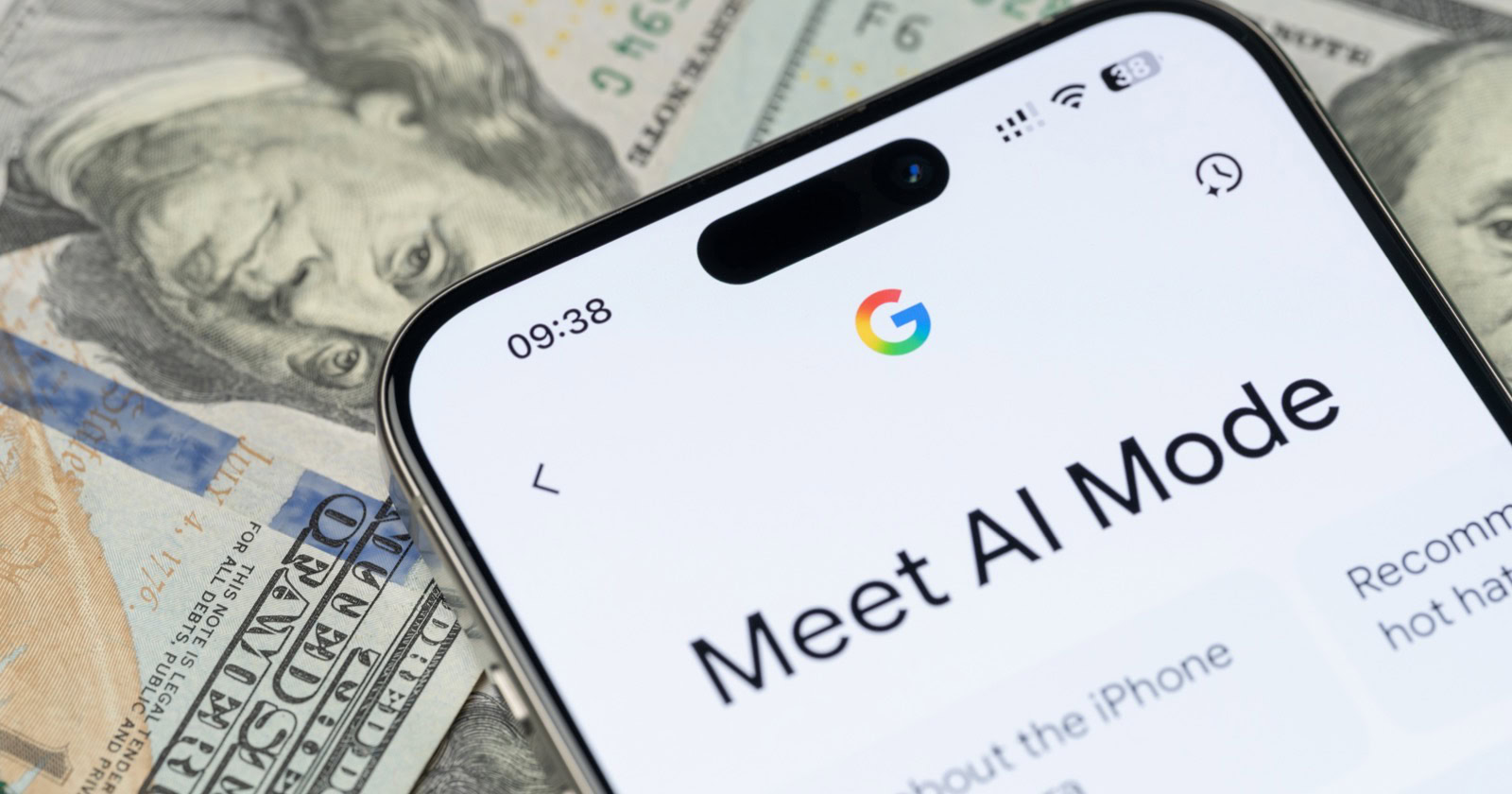
Google’s AI‑mode interface is dampening search‑revenue growth, highlighting a fundamental shift in how users discover information. For local businesses, this means revising SEO tactics and citation hygiene to stay visible in an AI‑centric search environment.
Key Highlights
- ✓AI‑mode interface slows search revenue growth Expanded AI‑mode ads in 10 new markets 68% of retail invalid clicks driven by AI Max Local businesses must optimize for AI‑friendly content and citations
What Happened
Google’s Q3 2026 earnings call confirmed a slowdown in search‑revenue growth, reporting a 12% year‑over‑year increase to $63.35 billion. That figure marks a sharp retreat from the 19% and 17% growth rates recorded in Q1 and Q2. Chief Business Officer Philipp Schindler pointed to three drivers, with the most impactful being lower monetization within AI Mode. The AI‑mode interface now serves AI‑generated answers directly in the SERP, nudging users away from clicking traditional web links.
Key Details
- AI‑mode expansion: Ads are now available in AI Mode across ten new markets, and the U.S. follow‑on question feature is live.
- Revenue impact: Search‑revenue growth has stalled, and the AI‑mode layout is a clear contributor to the dip in monetization.
- Ad eligibility: All existing Search, Shopping, and Performance Max campaigns are automatically eligible for AI‑Mode ads and cannot opt out.
- Invalid traffic spike: Recent studies show AI Max drove 68% of retail invalid clicks, underscoring the need for clean, high‑quality data in AI‑driven ad placements.
What It Means For Your Business
For local and small businesses, Google’s AI‑mode shift creates both hurdles and openings:
1. Visibility in AI Answers – Traditional SERP rankings no longer guarantee clicks. Optimizing for featured snippets, structured data, and conversational content gives AI a reliable source to pull from.
2. Citation Accuracy – AI tools such as ChatGPT and Gemini lean heavily on cited data. Consistent business information across directories, Google Business Profile, and niche citation sites is now mission‑critical.
3. Ad Strategy Adaptation – With AI‑Mode ads becoming the default, local campaigns should emphasize AI‑friendly copy, concise messaging, and crystal‑clear calls‑to‑action that fit the answer‑style format.
4. Data Hygiene – The surge in invalid traffic can waste ad spend on non‑converting clicks. Deploying bot‑filtering and low‑quality‑traffic controls protects your ROI.
Practical Steps
- Implement Structured Data: Add schema.org markup for local‑business, reviews, and product listings so AI can surface precise information.
- Target Conversational Keywords: Write for natural‑language queries users might ask in AI‑mode, such as “best coffee shop near me” or “how to book a table at XYZ restaurant.”
- Monitor Citation Consistency: Conduct regular audits of your listings to keep NAP (Name, Address, Phone) data uniform across every platform.
- Leverage AI‑Ready Ads: Craft headlines and descriptions that mirror the concise, direct answers AI prefers. Test variations that answer common service‑related questions.
Future Outlook
Google’s ongoing investment in AI features signals that AI Mode will soon become the default search experience for many users. Companies that proactively align their digital presence with AI‑friendly formats are poised to capture a larger slice of organic traffic, even as traditional click‑through rates decline.
By staying ahead—through structured data, conversational SEO, and accurate citations—local businesses can preserve relevance and thrive in an AI‑centric search ecosystem.
Why It Matters: Google’s AI‑mode is reshaping the very fabric of online discovery. For businesses that depend on being found, the shift means that a high ranking in traditional results no longer guarantees traffic. AI tools like ChatGPT, Perplexity, Gemini, and Google AI Overviews pull directly from structured data and AI‑generated answers. If your business information isn’t clean, complete, and easily parsable, those tools will default to competitors or generic responses.
Moreover, the monetization slowdown in AI Mode translates to fewer paid impressions for ads that still follow the same revenue model. Local advertisers who rely on click‑throughs to drive foot traffic or online orders may see a dip in ROI unless they adapt their ad copy to the concise, question‑answer format favored by AI. By proactively updating citations, adding schema markup, and crafting conversational content, businesses can position themselves as authoritative sources that AI tools are eager to reference, thereby sustaining visibility and converting users even in a rapidly evolving search landscape.
Why This Matters For Your Business
Google’s AI‑mode is fundamentally changing how users discover businesses online. Traditional rankings are no longer the sole gateway to traffic because AI‑driven answers draw directly from structured data and clean citations. If a company’s information is fragmented or outdated, AI assistants such as ChatGPT, Gemini, or Google AI Overviews will default to competitors or generic responses, eroding visibility. At the same time, the slowdown in monetization means fewer paid impressions for ads that still rely on the same revenue model. Local advertisers who depend on clicks to generate foot traffic or online orders risk a dip in ROI unless they reshape their ad copy to fit the concise, question‑answer style that AI prefers. By tightening citation accuracy, deploying schema markup, and embracing conversational content, businesses can become the trusted sources AI tools cite, preserving both organic reach and ad effectiveness in a rapidly evolving search landscape.
Frequently Asked Questions
How does AI Mode affect local search rankings?
AI Mode pushes AI‑generated answers to the top of the SERP, so traditional listings receive fewer clicks. Local businesses must therefore prioritize structured data and featured snippets to stay visible.
What are the best practices for optimizing citations for AI tools?
Maintain consistent NAP information across every directory, implement schema.org localBusiness markup, and perform regular audits of your Google Business Profile to ensure accuracy.
Will my existing ads still work in AI Mode?
All current Search, Shopping, and Performance Max campaigns automatically appear in AI‑Mode placements. Focus on concise, question‑answer copy that aligns with the format AI prefers.
Is your business showing up in AI search?
Get your free AI visibility audit - see if ChatGPT, Perplexity, and Google AI actually recommend you.