Home / News / Google AI Overviews Move Citation Cards Bottom – What Small Biz Needs
Google AI Overviews Move Citation Cards Bottom – What Small Biz Needs
Google is currently testing a redesigned layout for its AI Overview feature, moving citation cards to the bottom of the response on desktop devices. This change could significantly impact how local businesses are displayed in AI-driven search results, emphasizing the importance of visibility and a robust citation strategy.
Key Highlights
- ✓Google tests citation cards at the bottom of AI Overview answers on desktop.
- ✓Bottom placement makes citations more visible to users and AI tools.
- ✓Local businesses can gain higher click‑through rates from prominent citations.
- ✓Consistent, authoritative content is crucial for earning AI citations.
What Happened
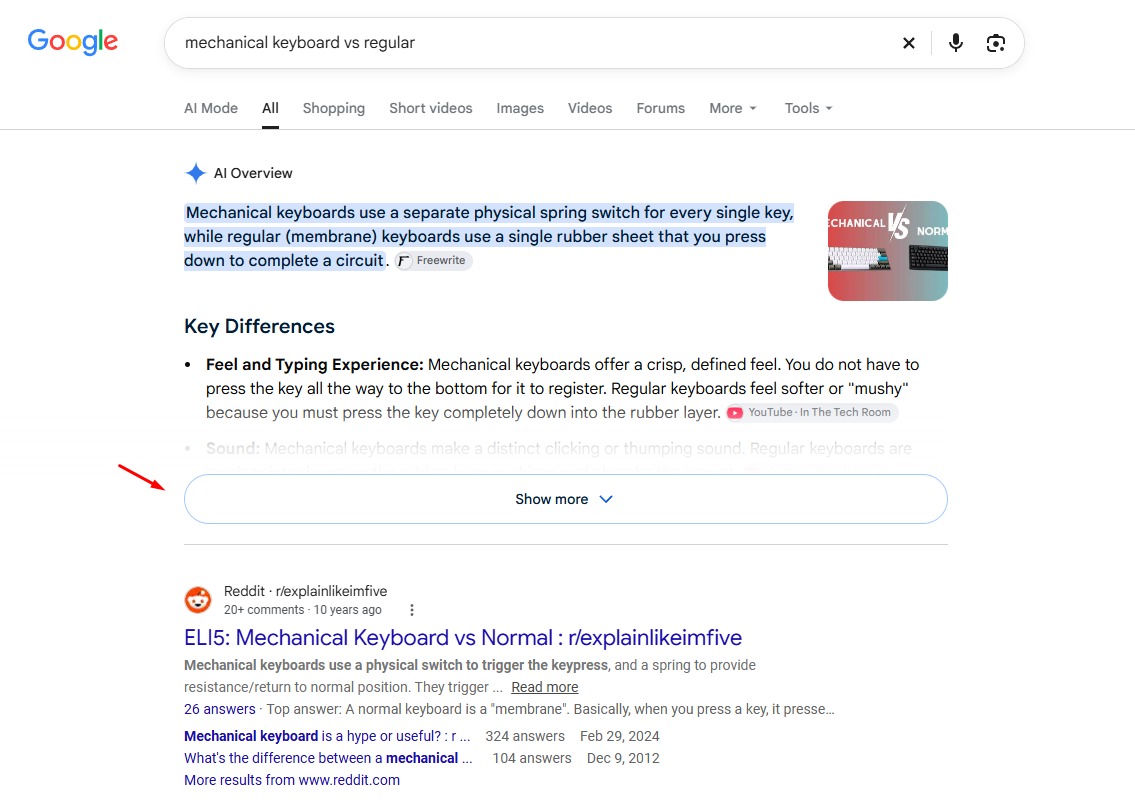
On September 29, 2026, Google announced that it is once again experimenting with its AI Overview feature. This latest iteration places citation cards at the bottom of the answer on desktop, eliminating the traditional right-hand column. Discovered by SEO analyst Glenn Gabe on X, this test presents a cleaner interface: when the answer is collapsed, the right side remains empty; clicking “Show all” expands a complete list of citations beneath the main content.
This isn't Google’s first foray into adjusting citation placement. Previous tests occurred in March 2026 and September 2025, but the current layout appears to enhance user experience, making it less obtrusive.
---
Key Details
- Placement: Citations now appear below the AI Overview answer on desktop, rather than in the right sidebar.
- Interaction: Users can click a “Show all” link to reveal the full list of sources utilized by Google.
- Testing Status: This feature is still in A/B testing, meaning it may be visible to some users and not others.
- Historical Context: Google initially tested bottom-stacked citations in September 2025, refined the concept in March 2026, and is now trialing a more polished version.
- Impact on SERP Real Estate: The removal of the right sidebar opens up space for additional UI elements, which could allow Google to incorporate more ads or answer blocks.
---
What It Means For Your Business
1. **Citations Are Getting More Prominent**
With citations positioned directly under the answer, they now integrate seamlessly into the primary content flow. This change facilitates easier visibility for users—and AI tools—regarding the origins of the information, thereby enhancing the credibility of each source.
2. **Bottom Placement Benefits Local SEO**
For small, local businesses, inclusion in those citation cards can generate high-intent traffic. The new bottom placement aligns with how Google’s AI Overviews summarize information, meaning that a well-crafted citation can catch a reader's attention immediately after the answer, encouraging them to engage further.
3. **Need for Structured Data & Authority**
Google continues to emphasize structured data, E-E-A-T (Experience, Expertise, Authority, Trust), and high-quality backlinks in its citation selection process. If your site lacks these essential signals, it risks being excluded from the list altogether.
4. **Opportunity to Optimize for Multiple AI Tools**
VisibilityAI empowers businesses to gain citations not only from Google but also from platforms like ChatGPT, Perplexity, Gemini, and others. Ensuring consistency across these platforms bolsters your brand’s visibility in the evolving AI search landscape.
---
Actionable Steps for Small Businesses
- Audit Your Structured Data: Verify that your local business schema (including NAP, reviews, and operating hours) is accurate and free of errors.
- Build High-Quality Backlinks: Focus on establishing relationships with local news outlets, industry directories, and community blogs.
- Create Authoritative Content: Develop comprehensive guides, case studies, and FAQs that address common customer inquiries.
- Leverage VisibilityAI: Utilize our platform to monitor where your business is cited and to pitch your content to publishers that cater to AI audiences.
- Monitor Google’s Test: Stay attentive to the citation layout during your searches; be ready to adjust your SEO strategy as the format evolves.
---
Why It Matters for AI-Driven Discovery
The transition to bottom-stacked citation cards illustrates Google’s commitment to enhancing source attribution visibility and user experience. For businesses, this shift means that citations will no longer be relegated to a mere footnote; instead, they serve as a call to action. When a user encounters an AI-generated answer featuring your business directly below, the probability of a click substantially increases.
Additionally, AI tools like ChatGPT and Perplexity frequently utilize Google’s citation data to inform their own responses. Securing a spot in Google's citation list can significantly boost your chances of being referenced by multiple AI platforms, thus broadening your visibility beyond conventional search results.
---
FAQs
- Q: Will the bottom citation cards affect my existing rankings?
A: The layout change doesn’t directly alter rankings, but a more prominent citation can enhance click-through rates, potentially boosting your traffic.
- Q: How can I increase the chances of being cited?
A: Concentrate on producing authoritative, answer-driven content, keep your structured data updated, and cultivate backlinks from reputable local and industry sites.
- Q: Does this affect mobile users?
A: Currently, this test is limited to desktop users. Mobile AI Overviews continue to utilize the right-hand column, but similar changes may be implemented for mobile in the future.
---
Bottom Line
Google's experiment with bottom-stacked citation cards transcends a mere user interface adjustment; it represents a strategic initiative to prioritize source attribution. For local and small businesses, achieving visibility within these cards can lead to increased traffic and enhanced cross-platform citations within the rapidly evolving AI search ecosystem. Stay proactive, maintain accurate data, and collaborate with VisibilityAI to maximize your chances of being discovered by the next generation of AI-powered search tools.
Why This Matters For Your Business
The new citation layout positions businesses prominently just below AI-generated answers, transforming a simple reference into a significant traffic driver. For small businesses striving for visibility, being featured in this list means that potential customers see your brand at the crucial moment they are seeking answers, thereby enhancing the likelihood of a click and subsequent conversion. Furthermore, AI tools such as ChatGPT, Perplexity, and Gemini extract citation data from Google’s sources. Thus, a citation in the bottom card can lead to increased references across various AI platforms, amplifying your visibility well beyond traditional search results. This makes it imperative to optimize for citations now to capitalize on emerging opportunities.
Frequently Asked Questions
Will the bottom citation cards affect my existing rankings?
The layout change itself doesn’t directly impact rankings, but a more visible citation can improve click-through rates, indirectly benefiting your traffic.
How can I increase the chances of being cited?
Publish authoritative, answer-focused content, keep your structured data up-to-date, and earn backlinks from reputable local and industry sites.
Does this affect mobile users?
Currently the test is limited to desktop. Mobile AI Overviews still use the right-hand citation column, but Google may roll out similar changes to mobile later.
Is your business showing up in AI search?
Get your free AI visibility audit - see if ChatGPT, Perplexity, and Google AI actually recommend you.