Home / News / Google Opens Personalized YouTube Ads for Alcohol Brands in Shift
Google Opens Personalized YouTube Ads for Alcohol Brands in Shift
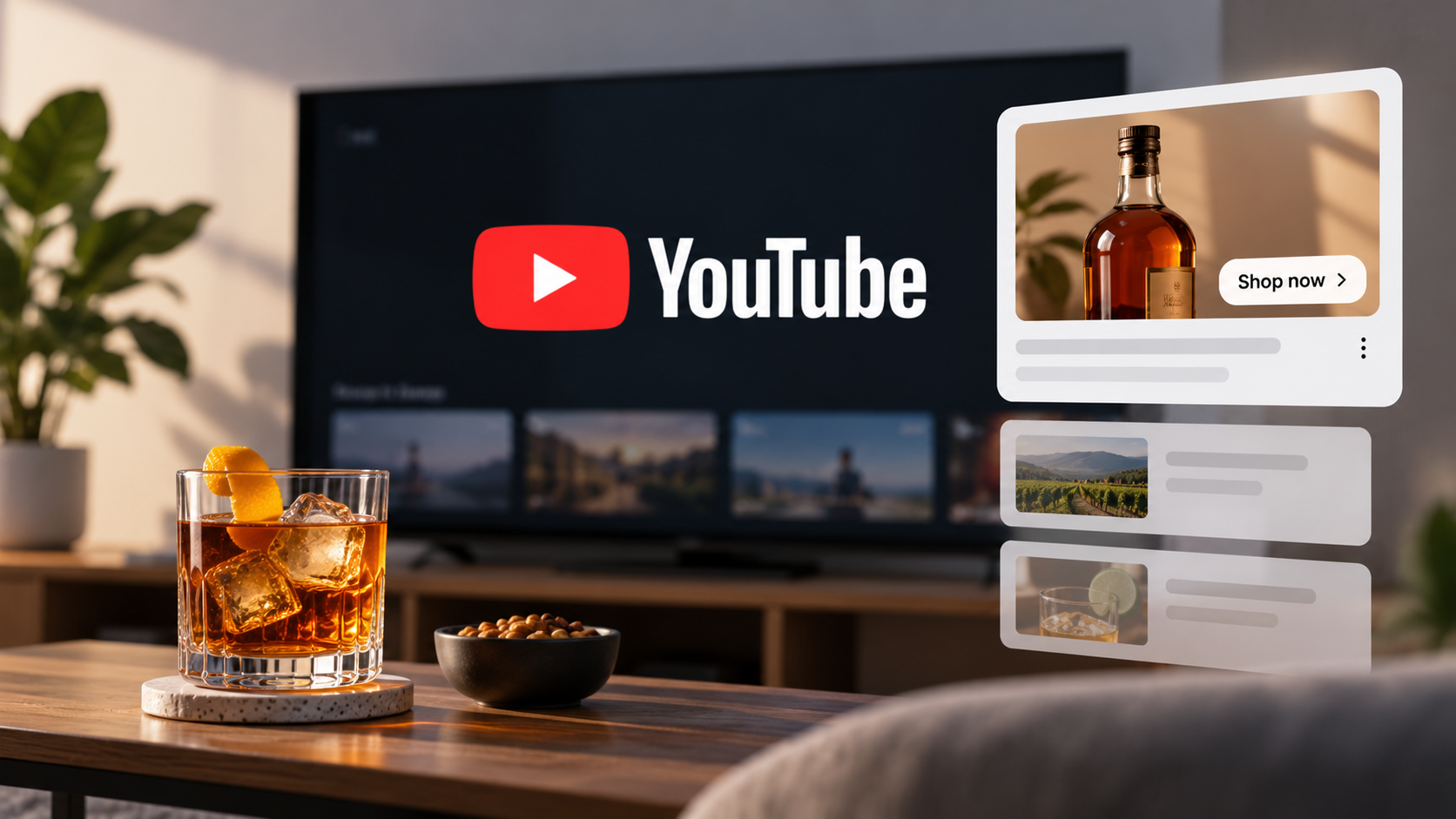
Starting October 30, Google will allow eligible advertisers to run personalized alcohol and alcohol-alternative ads across YouTube inventory where local laws permit. This update unlocks refined audience targeting for beverage brands, craft producers, and zero-proof makers. For business owners, the shift creates a direct path to turn focused video engagement into stronger brand presence across AI search surfaces.
Key Highlights
- ✓Google permits personalized alcohol ads on YouTube starting October 30 where locally legal.
- ✓Policy covers traditional alcohol, related accessories, and non-alcoholic beverage alternatives.
- ✓Rollout excludes selected countries with strict regulatory bans, including India, Poland, Egypt, and Indonesia.
- ✓Protections against targeting minors and health-sensitive categories remain strictly enforced.
What Happened
Starting October 30, Google will lift long-standing limits on alcohol marketing by allowing eligible advertisers to run personalized ads across YouTube inventory where local regulations permit. Before this change, beverage brands were restricted to non-personalized contextual placements, making it difficult to reach prospects based on specific demographic, behavioral, or affinity cues.
The updated policy encompasses alcoholic beverages, alcohol-related products, and emerging alcohol alternatives. Google noted that the update responds to rising advertiser demand, fast-growing beverage categories, and improved platform controls designed to safeguard sensitive user data.
While the change opens substantial opportunities for beverage companies, craft breweries, distilleries, and regional hospitality groups, the rollout is not global. Due to local legal frameworks, markets including Egypt, India, Indonesia, and Poland remain excluded under the October update.
Key Details and Policy Guardrails
Even with personalized segments unlocked, Google underscored that strict compliance standards and consumer safeguards remain firmly in place:
- Age Verification & Minor Protections: Google continues to block alcohol ads from reaching minors. Personalized campaigns will not serve to accounts registered to users below the legal drinking age.
- Sensitive Interest Restrictions: Advertisers cannot target audiences using health-related criteria, such as medical conditions linked to alcohol use or addiction recovery.
- User Preference Controls: Viewers retain the ability to suppress or reduce alcohol promotions through Google's My Ad Center, which allows individuals to customize or hide sensitive commercial categories.
- Regional Compliance: Every campaign must follow applicable local laws, mandatory disclosures, licensing mandates, and digital marketing regulations.
Crucially, bringing alcohol alternatives and non-alcoholic beverages under this umbrella gives emerging zero-proof and functional drink producers the same granular targeting tools long utilized by conventional consumer packaged goods (CPG) brands.
What It Means For Your Business
For independent breweries, regional wineries, craft distillers, and hospitality businesses, this change extends beyond an ordinary paid media update—it alters how core engagement signals flow through Google's ecosystem.
1. High-Precision Audience Acquisition
Relying solely on non-personalized ads frequently forced smaller alcohol brands to burn budget on broad, low-intent impressions. Personalized targeting helps businesses focus spend on distinct affinity groups—such as home cocktail creators, food-and-wine tourists, or local festivalgoers—driving up return on ad spend (ROAS).
2. Amplifying Multimodal Signals for AI Search
Performance on YouTube feeds into broader digital authority. As videos earn high dwell times, steady click-through rates, and meaningful viewer interactions, Google's Knowledge Graph connects your brand entity to specific consumer niches and geographic markets. These verified connections increase the likelihood that generative platforms like Gemini and Google AI Overviews cite your brand when answering conversational queries for local drink and venue recommendations.
3. A Level Playing Field for Alcohol Alternatives
Demand for functional drinks and non-alcoholic beers or spirits continues to surge. Allowing personalized ads for alcohol alternatives hands boutique zero-proof producers the targeted reach needed to connect directly with health-conscious buyers, challenging legacy beverage giants on equal terms.
Why This Matters For Your Business
For businesses adapting to Generative Engine Optimization (GEO), platforms like YouTube serve as critical feeder data for large language models. Systems behind Gemini and Google AI Overviews routinely parse video transcripts, visual context, and viewer interactions to answer detailed queries like 'best craft distillery tours near me' or 'top-rated non-alcoholic IPAs.' Enabling personalized advertising gives beverage brands a direct mechanism to build that deep audience engagement. When prospective customers actively watch, click, and search around your video campaigns, your brand builds the clear entity associations that AI models look for when generating recommendations. As paid audience segmentation deepens, the boundary between ad campaigns and organic AI visibility will continue to soften. Independent producers who align targeted YouTube creative with local landing pages and structured schema can construct a defensible presence across conversational AI answers and traditional search surfaces alike.
Frequently Asked Questions
When does Google's personalized alcohol advertising policy go into effect?
The update takes effect on October 30, permitting eligible advertisers to deploy personalized campaigns across YouTube inventory in jurisdictions where local regulations allow.
Are non-alcoholic drinks and zero-proof spirits included in this update?
Yes. Google's policy explicitly includes alcohol-related products and alcohol alternatives, offering non-alcoholic and functional beverage brands access to the same personalized targeting features.
How does YouTube video engagement impact discovery in Google AI Overviews?
Google pulls from YouTube engagement metrics, transcriptions, and metadata to reinforce its Knowledge Graph, helping conversational models like Gemini and Google AI Overviews identify relevant brands for generative answers.
Is your business showing up in AI search?
Get your free AI visibility audit - see if ChatGPT, Perplexity, and Google AI actually recommend you.