
Home / News / Google Ranking Volatility Hits New Heights on Oct 24 – Small Biz Alert
Google Ranking Volatility Hits New Heights on Oct 24 – Small Biz Alert
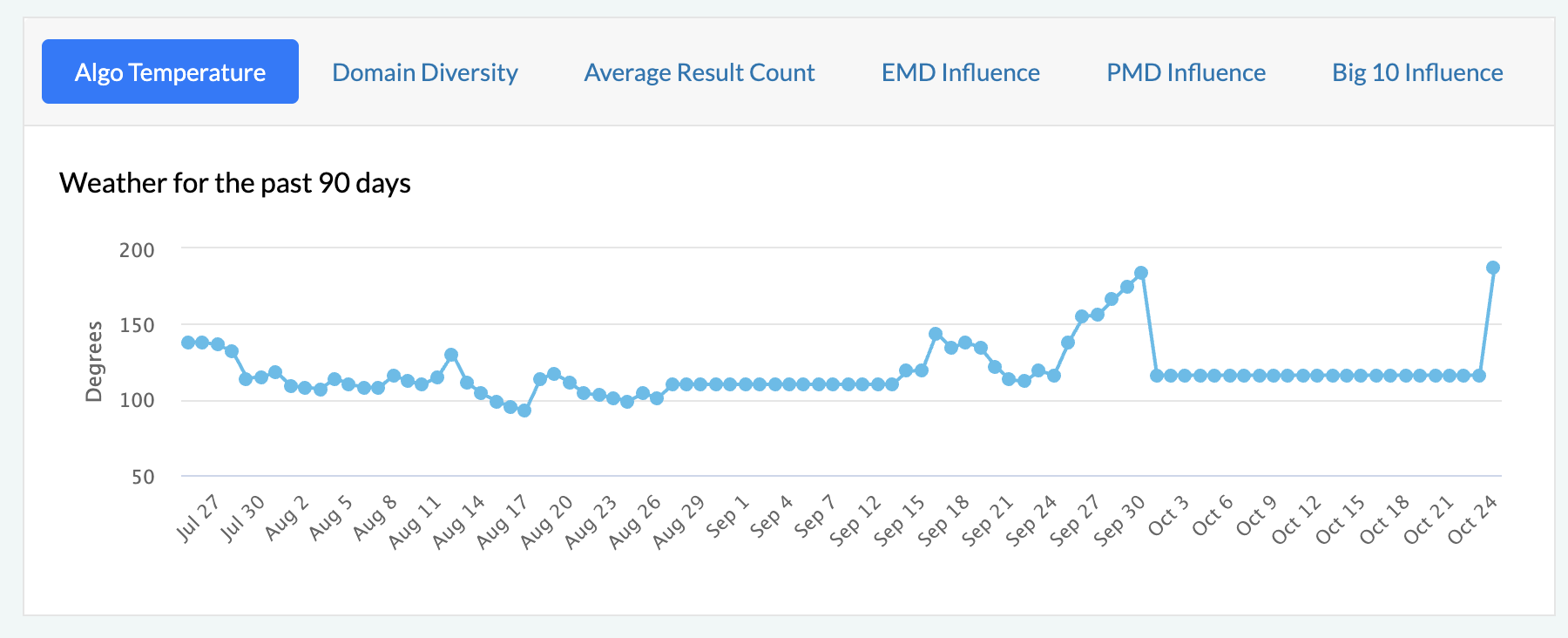
A sudden surge in Google Search volatility on October 24 sent small businesses scrambling to protect their organic traffic. This shift coincides with the rise of AI-powered search tools like ChatGPT and Gemini, making it crucial for owners to understand the changes and adapt quickly.
Key Highlights
- ✓Google’s Oct 24 update caused sudden, widespread ranking shifts
- ✓Local businesses saw the biggest impact on core keywords
- ✓AI assistants like ChatGPT now rely on top SERP results, amplifying volatility
- ✓Proactive monitoring and content refresh can shield against traffic loss
What Happened
On Saturday, October 24, a wave of ranking volatility swept across Google Search. Third-party tracking tools recorded abrupt movements for dozens of keywords, confirming that an update rolled out between Friday and Saturday. Although the exact algorithmic changes remain unconfirmed, the pattern closely mirrors the volatility spikes seen on October 20–21 and the September 2026 spam update.
The Signs
- Rapid Rank Shifts – Several local keywords moved 5‑10 positions in a single day.
- Traffic Fluctuations – Many sites reported 15‑30 % swings in organic traffic.
- Increased SERP Noise – New, less‑relevant results appeared for some queries.
These symptoms suggest a broader algorithmic tweak aimed at refining relevance, especially for local and niche queries.
Key Details
| Detail | What It Means | Why It Matters for Small Businesses |
|--------|---------------|--------------------------------------|
| Unconfirmed Update | Google hasn’t officially announced the changes, but data from tools like Ahrefs and SEMrush point to a significant adjustment. | Stay alert: Without an official statement, you must monitor your rankings closely and be ready to act. |
| Local Focus | The volatility disproportionately affected local search terms, such as “pizza near me” and “plumber in [city].” | Local businesses are most exposed; a drop in local visibility can mean lost foot traffic and revenue. |
| AI‑Search Impact | AI assistants (ChatGPT, Gemini) increasingly surface search results directly. Ranking changes affect the content that appears in those answers. | If your content falls out of the top 3, you risk missing out on AI‑assistant traffic, which is growing rapidly. |
| Potential Spam Mitigation | The pattern resembles the September spam update, which targeted low‑quality link schemes. | Review your backlink profile; clean up toxic links to avoid penalties. |
Practical Observations
1. Keyword‑Level Monitoring – Track at least 20 core keywords daily.
2. Traffic Analysis – Use Google Analytics to correlate rank changes with traffic drops.
3. Content Audit – Check if your top pages meet Google’s E‑AT (Expertise, Authoritativeness, Trustworthiness) standards.
What It Means For Your Business
1. Protect Your Core Rankings
- Audit Your Top Pages – Ensure they answer user intent, include local schema, and load fast.
- Refresh Outdated Content – Even a 2018 blog post can lose relevance; update facts, images, and links.
- Diversify Keywords – Relying on a single keyword can be risky; target related long‑tails.
2. Leverage AI‑Powered Search
AI assistants often pull from the top 3 SERP results. If your site slips out of that zone:
- Create Structured Data – Rich snippets increase the chance of appearing in AI answers.
- Publish FAQ Pages – AI loves concise, direct answers.
- Optimize for Featured Snippets – Position yourself as the authoritative source.
3. Strengthen Your Local Presence
- Google My Business – Keep your profile up to date with accurate hours, photos, and reviews.
- Local Citations – Consistent NAP (Name, Address, Phone) across directories reduces confusion.
- Encourage Reviews – Positive reviews boost local relevance and can offset ranking dips.
4. Stay Ahead of Future Updates
- Monitor Industry Signals – Follow Search Engine Roundtable, Moz, and other reputable blogs.
- Automate Alerts – Set up rank‑tracking alerts for critical keywords.
- Engage in Community – Participate in local SEO groups; shared knowledge is invaluable.
By acting swiftly and strategically, you can mitigate the impact of ranking volatility and position your business for continued visibility—both in traditional search and the emerging AI‑assistant ecosystem.
Why It Matters: The surge in ranking volatility isn’t just a technical hiccup—it directly threatens the traffic pipeline that small businesses depend on. Every drop in a local keyword can translate into missed walk‑ins, fewer online bookings, and lost revenue. With AI‑powered search assistants becoming the first point of contact for many consumers, being outside the top three SERP positions means your brand may never appear in the answer box that users read. This is especially critical for local services where the decision to call or visit a shop often hinges on that instant visibility.
Moreover, the rapid changes underscore a broader shift: search engines are prioritizing high‑quality, context‑aware content more aggressively. For businesses that have built their online presence on keyword stuffing or outdated practices, the cost of not adapting is high. By tightening your content strategy, ensuring accurate local data, and embracing structured data, you position your business to not only survive volatility but to thrive as AI assistants become the new default search experience.
In short, staying on top of algorithmic changes is no longer optional—it's a survival tactic. The faster you respond, the better your chances of maintaining steady traffic, protecting your revenue, and staying ahead of competitors who may not be as agile.
FAQs: [{"question":"What should I do immediately after noticing a sudden rank drop?","answer":"First, verify the drop with multiple tracking tools. Then audit the affected page for content freshness, keyword relevance, and technical health. If the issue persists, consider a quick refresh or a minor update to regain stability."},{"question":"How does AI‑assistant traffic differ from traditional search traffic?","answer":"AI assistants often present concise answers or direct links, bypassing the standard SERP. If your content ranks in the top three, it’s more likely to be cited by these assistants, driving higher‑quality traffic."},{"question":"Can I request Google to roll back the update?","answer":"No, Google does not allow rollback of algorithmic changes. The best approach is to adapt your site to the new ranking signals and monitor performance closely."}]
Why This Matters For Your Business
The surge in ranking volatility isn't merely a technical hiccup; it poses a direct threat to the traffic pipeline small businesses rely on. A single drop in a local keyword can translate into missed foot traffic, fewer online bookings, and lost revenue. As AI-powered search assistants become the first point of contact for many consumers, falling outside the top three SERP positions means your brand might never appear in the answer box users actually read. This is particularly critical for local services, where the decision to call or visit often hinges on that instant visibility. Furthermore, the rapid shifts underscore a broader evolution: search engines are aggressively prioritizing high-quality, context-aware content. For businesses relying on keyword stuffing or outdated practices, the cost of inaction is steep. By tightening your content strategy, ensuring accurate local data, and embracing structured data, you position your business to survive volatility and thrive as AI assistants become the new default search experience. Ultimately, staying on top of algorithmic changes is no longer optional—it is a survival tactic. The faster you respond, the better your chances of maintaining steady traffic, protecting your revenue, and outmaneuvering less agile competitors.
Frequently Asked Questions
What should I do immediately after noticing a sudden rank drop?
First, verify the drop with multiple tracking tools. Then audit the affected page for content freshness, keyword relevance, and technical health. If the issue persists, consider a quick refresh or a minor update to regain stability.
How does AI‑assistant traffic differ from traditional search traffic?
AI assistants often present concise answers or direct links, bypassing the standard SERP. If your content ranks in the top three, it’s more likely to be cited by these assistants, driving higher‑quality traffic.
Can I request Google to roll back the update?
No, Google does not allow rollback of algorithmic changes. The best approach is to adapt your site to the new ranking signals and monitor performance closely.
Is your business showing up in AI search?
Get your free AI visibility audit - see if ChatGPT, Perplexity, and Google AI actually recommend you.