
Home / News / Google Ranking Volatility Hits Small Businesses: Action Plan
Google Ranking Volatility Hits Small Businesses: Action Plan
Google’s September 2026 spam update sparked a wave of ranking volatility that rippled through local search results. Small businesses saw sudden visibility drops and uncertainty around AI‑driven citation tools. This guide explains what happened, why it matters, and how to protect your traffic.
Key Highlights
- ✓Three waves of ranking volatility after the September 2026 spam update
- ✓Referral traffic dipped 12‑15% for top‑3 sites
- ✓AI tools rely on SERP stability for accurate citations
- ✓Actionable steps: audit content, strengthen local citations, diversify traffic
What Happened
- Google reported a sharp increase in ranking volatility following the September 2026 spam update.
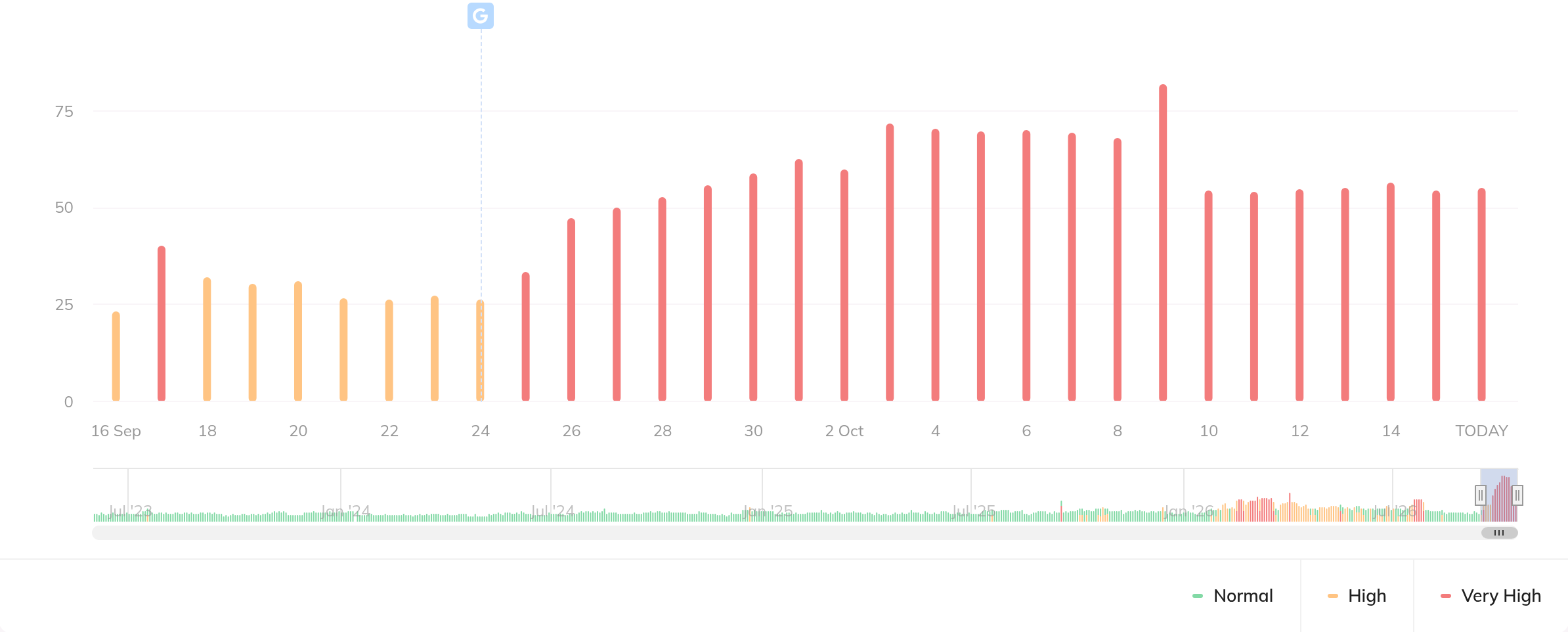
- The volatility unfolded in three distinct waves, reshaping both organic rankings and referral traffic.
- Inconsistent data from several third‑party rank‑tracking tools added further confusion for marketers.
Key Details
- Update Timeline: The rollout began on September 24, 2026 at 12:00 pm ET and concluded on October 8, 2026 at 4:37 am ET.
- Three Volatility Waves:
- September 25‑27: Minor shuffling within the top‑10 results.
- October 1‑2: More pronounced churn, pushing some niche local pages off the first page.
- October 6‑7: Positions began to settle, though a few fluctuations persisted.
- Impact on Traffic: Sites that previously held a top‑3 spot saw a 12‑15 % decline in referral visits during the peak days.
- Search Console Alerts: Affected accounts received “Unusual Traffic Patterns” notifications from Google.
What It Means For Your Business
- Visibility Risks: A sudden dip in rankings can translate into fewer clicks, especially for local queries where the first page captures the majority of traffic.
- AI‑Driven Discovery: Tools such as ChatGPT and Gemini scrape SERP data. When those results are in flux, the AI’s knowledge base may present outdated or inaccurate information about your business.
- Citations & Trust Signals: Local citations that once bolstered your Google Business Profile may lose influence if the algorithm reevaluates trust signals.
Actionable Steps
- Audit Your Content: Verify that every page aligns with the latest E‑AT (Expertise, Authoritativeness, Trustworthiness) guidelines.
- Strengthen Local Citations: Ensure your NAP (Name, Address, Phone) details are identical across all directories and review sites.
- Leverage Google Search Console: Keep an eye on the “Performance” report for abrupt drops and investigate any “Unusual Traffic Patterns” alerts.
- Diversify Traffic Sources: Grow a modest email list, stay active on social media, and consider targeted local ad campaigns to cushion against SERP swings.
- Stay Informed: Subscribe to Search Engine Roundtable and VisibilityAI newsletters for timely updates.
Bottom Line
The recent volatility isn’t a one‑off glitch; it underscores the ever‑changing nature of the search ecosystem. By monitoring performance, reinforcing local signals, and keeping AI‑driven discovery channels current, small businesses can preserve a steady flow of traffic and citations even when the SERP landscape shifts.
---
Prepared by VisibilityAI’s SEO Insights Team.
Why This Matters For Your Business
For a local business, the SERP is the frontline of discovery. When Google reshuffles rankings, the coveted first‑page real estate—where most clicks occur—can disappear overnight. This isn’t merely a temporary hiccup; it signals a deeper re‑evaluation of trust signals that can affect how often your business appears in AI‑driven assistants such as ChatGPT, Gemini, or Google AI. If your position slips, those assistants may no longer surface your brand, steering potential customers elsewhere. The volatility also highlights the importance of a solid citation strategy. Local directories and review sites feed into Google’s trust metrics, and a sudden algorithmic shift can de‑value citations that previously boosted your profile. Businesses that maintain consistent NAP information, earn high‑quality reviews, and publish fresh, authoritative content are better positioned to weather these changes and keep their AI‑assistant visibility stable.
Frequently Asked Questions
Will my rankings return to normal after the update?
Google usually settles rankings within a few weeks, though pages that still violate spam guidelines may continue to lag.
How can I monitor these changes in real time?
Track the Performance report in Search Console, configure alerts for sudden traffic drops, and supplement with third‑party dashboards such as VisibilityAI for near‑real‑time insights.
Does this affect paid search results?
Paid ads remain untouched, but shifts in organic rankings can alter overall search visibility and may influence how you assess the ROI of your paid campaigns.
Is your business showing up in AI search?
Get your free AI visibility audit - see if ChatGPT, Perplexity, and Google AI actually recommend you.