
Home / News / Google Ranking Volatility Sep 23‑24 Impacts AI‑Driven Visibility
Google Ranking Volatility Sep 23‑24 Impacts AI‑Driven Visibility
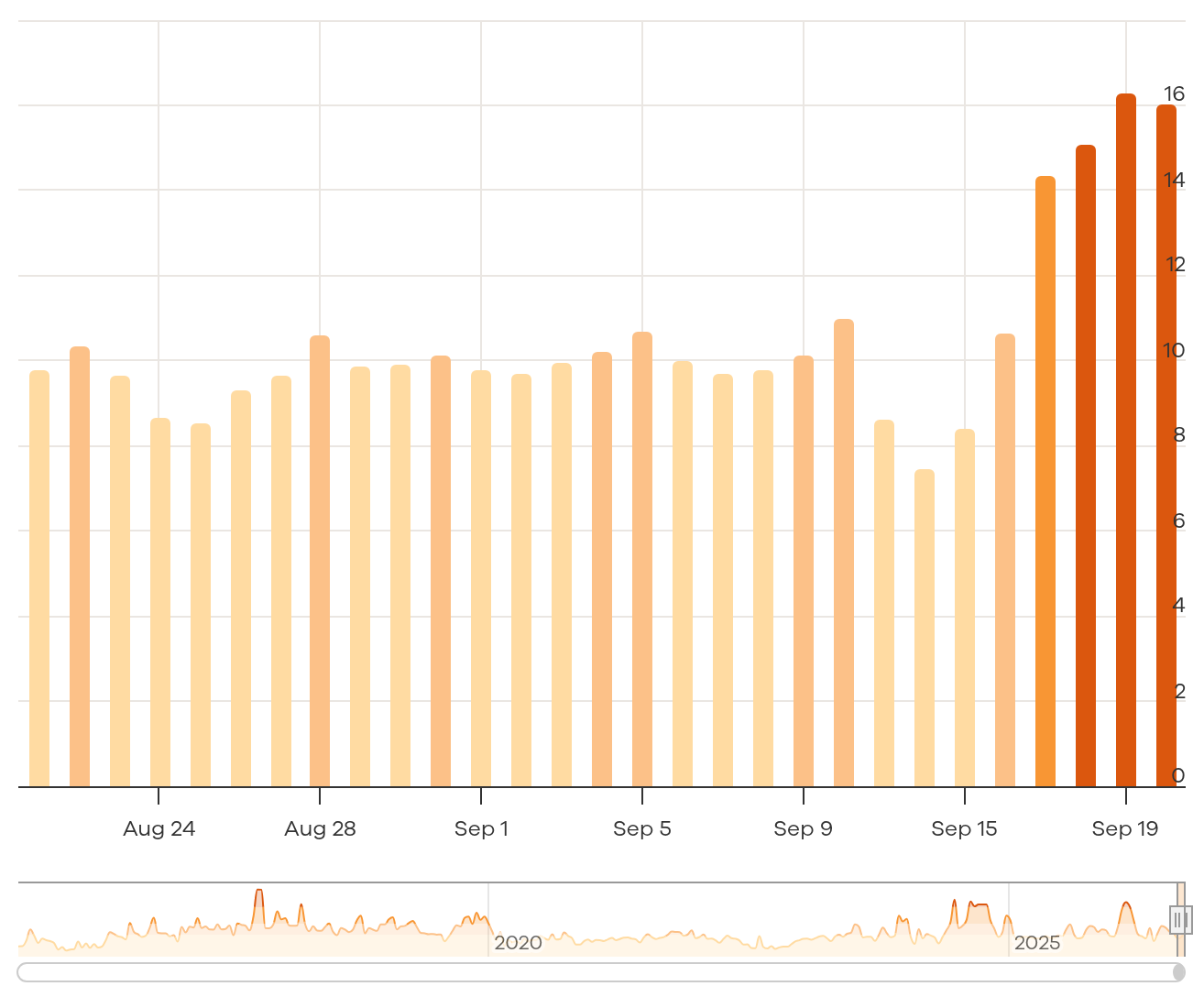
Google’s ranking volatility on September 23‑24 coincided with the rollout of the September 2026 Spam Update, triggering abrupt position swings that are already reshaping traffic patterns. The turbulence appears linked to low‑quality backlinks, thin content, and AI‑generated pages, prompting SEOs to audit links, reinforce E‑E‑A‑T, and keep a close eye on AI citations.
Key Highlights
- ✓Ranking volatility surged on Sep 23‑24, linked to the September 2026 Spam Update.
- ✓Both high‑volume and local queries experienced rapid position swings.
- ✓AI assistants pull citations from top results—ranking drops can erase AI visibility.
- ✓Immediate actions: audit backlinks, strengthen E‑E‑A‑T, refresh thin content, add schema.
What Happened
On September 23 and 24, 2026, webmasters and SEO professionals reported a sudden surge in ranking volatility across a broad spectrum of queries. Google has not labeled the change as a formal core update, but the timing matches the rollout of the September 2026 Spam Update, which Google confirmed on the 24th. The volatility manifested as rapid position swings—some sites fell dozens of spots overnight, while others enjoyed brief gains before the rankings settled.
Key Details
- Timeline: The volatility began late on September 22, peaked on the 23rd, and continued into the 24th.
- Scope: Both high‑volume commercial keywords and niche local queries were affected, across desktop and mobile SERPs.
- Signal: Early data indicates the spam update is targeting low‑quality backlinks, thin content, and AI‑generated pages that lack genuine expertise.
- Traffic Trend: Many sites saw organic traffic dip as Google temporarily throttled impressions while re‑evaluating relevance.
- Community Reaction: SEOs noted a slowdown in comment volume on forums, suggesting Google may be limiting traffic to stabilize rankings.
What It Means For Your Business
For local and small businesses that rely on AI tools such as ChatGPT, Perplexity, Gemini, and Google AI Overviews for citations, this volatility is a wake‑up call. AI assistants pull data from Google’s top results to generate answers; a drop in ranking means those citations disappear, reducing discoverability for potential customers.
Immediate Actions
1. Audit Backlinks: Use Ahrefs, Moz, or a similar tool to surface low‑authority or spammy links and disavow any that could be triggering the spam update.
2. Strengthen E‑E‑A‑T: Highlight Experience, Expertise, Authority, and Trustworthiness in your content—add author bios, cite reputable sources, and showcase authentic customer reviews.
3. Refresh Thin Content: Expand short pages with locally relevant details such as hours, maps, service descriptions, and community involvement.
4. Leverage Structured Data: Implement LocalBusiness schema so Google receives clear signals about your location, services, and contact information.
5. Monitor AI Citations: Use VisibilityAI’s citation tracker to see which AI tools reference your site and catch any drops quickly.
Long‑Term Strategy
- Diversify Traffic Sources: Relying solely on organic search is risky during volatile periods. Invest in local listings, social media, and email marketing.
- Build Community Signals: Encourage genuine reviews on Google Business Profile, Yelp, and industry‑specific directories. Positive signals help AI models rank you higher.
- Stay Updated: Follow Google’s Search Central Blog and reputable SEO news sites to anticipate future updates.
How VisibilityAI Can Help
VisibilityAI specializes in getting small businesses discovered by AI assistants. By continuously monitoring SERP volatility and AI citation health, we can:
- Alert you the moment a ranking dip is detected.
- Provide actionable recommendations tailored to your niche.
- Automate schema implementation and citation management.
- Boost your presence in AI‑driven overviews, ensuring you stay top‑of‑mind for voice and chat queries.
Staying ahead of Google’s algorithmic changes isn’t optional—it’s essential for maintaining a steady flow of AI‑generated leads.
---
Bottom line: The September 23‑24 ranking volatility is a symptom of Google’s ongoing fight against spam. For businesses that want to remain visible in AI‑powered search, now is the time to double‑down on quality, local relevance, and structured data.
Why It Matters: In the era of AI‑driven search, visibility is no longer just about traditional SERPs. Tools like ChatGPT, Perplexity, and Google AI Overviews scrape Google’s top results to answer user questions. When Google’s algorithm shakes up rankings, those AI citations can disappear overnight, cutting off a vital source of traffic for local businesses. This volatility directly impacts lead generation, appointment bookings, and sales for small enterprises that rely on being the go‑to answer in a community.
For businesses using VisibilityAI, the stakes are even higher. Our platform monitors AI citations in real time, but the data is only as good as the underlying rankings. By proactively addressing the spam update’s signals—cleaning backlinks, enhancing expertise, and deploying structured data—companies can safeguard their AI presence, keep their brand in front of voice‑activated assistants, and maintain a steady pipeline of AI‑generated leads.
Why This Matters For Your Business
In today’s search landscape, AI assistants such as ChatGPT, Perplexity, and Google AI Overviews act as the first point of contact for many users. They pull answers from Google’s highest‑ranking pages, so any shift in those rankings instantly alters what the AI presents. When a site’s position drops, its citation vanishes from the AI’s response, eroding a crucial discovery channel for local customers. For small and local businesses, that loss can translate into fewer phone calls, appointment bookings, and sales. The September 23‑24 volatility shows how quickly algorithmic changes can ripple through AI‑driven traffic streams, underscoring the need for businesses to maintain strong, spam‑free signals and robust structured data to stay visible in both traditional SERPs and AI‑generated answers.
Frequently Asked Questions
Is this a confirmed Google core update?
Google has not labeled it a core update, but it confirmed the September 2026 Spam Update began rolling out on September 24, which aligns with the observed volatility.
How quickly can I see the impact on AI citations?
AI assistants typically refresh their index within 24‑48 hours of major ranking changes, so citation drops may appear within a day or two after the volatility peaks.
Should I pause my SEO campaigns during volatility?
No. Use the period to audit and improve your site’s quality signals. Pausing can delay recovery, while proactive fixes can help you regain rankings faster.
Is your business showing up in AI search?
Get your free AI visibility audit - see if ChatGPT, Perplexity, and Google AI actually recommend you.