
Home / News / Google Ranking Volatility Spikes – What Small Businesses Must Do Now
Google Ranking Volatility Spikes – What Small Businesses Must Do Now
Google’s latest update has triggered a sharp rise in ranking volatility, leaving local businesses scrambling to maintain visibility. The turbulence, driven by the tail end of the September 2026 spam update and new machine‑learning tweaks, can drop organic traffic by up to 40% and destabilize AI‑assistant citations. Businesses that act quickly—auditing core pages, adding fresh content, and reinforcing structured data—can mitigate short‑term losses and build resilience against future shifts.
Key Highlights
- ✓Google ranking volatility spikes after September spam update.
- ✓AI search assistants may cite outdated or incorrect information.
- ✓Local businesses can lose up to 40% of organic traffic overnight.
- ✓Immediate SEO actions can stabilize rankings and protect AI citations.
What Happened
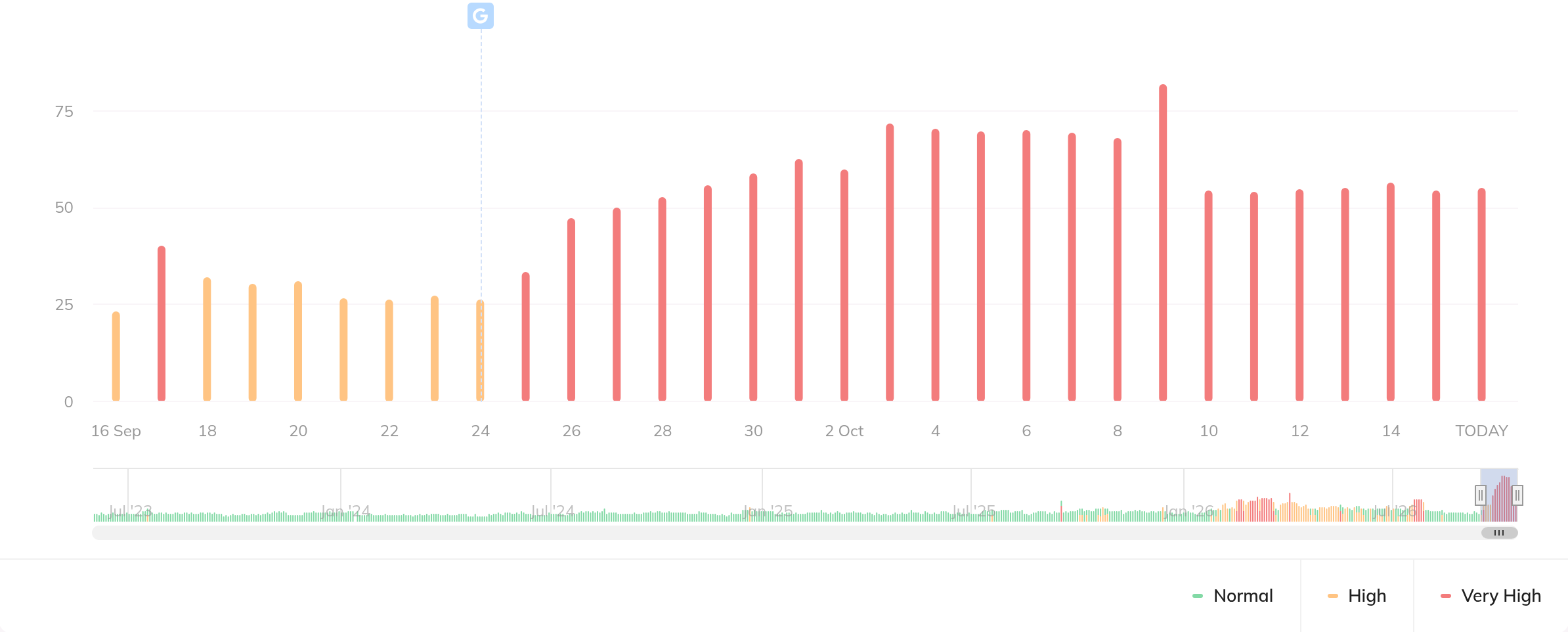
On October 16, 2026, Search Engine Roundtable logged a pronounced spike in Google Search ranking volatility, accompanied by a surge of chatter across SEO tools. This turbulence follows the September 2026 spam update and marks the third wave of fluctuation that has rattled SERP positions, referral traffic, and overall result stability. Rank‑tracking platforms are tracking the changes, yet many report data gaps, indicating that the shifts are rapid and uneven across niches.
Key Details
- Timeline: The volatility began early in the morning (UTC‑5) and intensified over the next 24 hours.
- Root cause: Analysts point to the tail‑end of the September spam update, combined with a fresh set of machine‑learning refinements that re‑evaluate link quality and content relevance.
- Impact scope: Local businesses, especially those relying on “near‑me” queries, saw position swings of 5‑10 spots, with some experiencing up to a 40 % dip in organic traffic.
- Tool reliability: Many third‑party rank trackers reported missing data points, reinforcing Barry Schwartz’s claim that “the tools are to blame” for perceived chaos.
What It Means For Your Business
1. Rankings Are No Longer Stable
A previously stable position can now shift. Google’s AI‑driven ranking logic increasingly weighs freshness, E‑E‑A‑T—Experience, Expertise, Authority, Trust—and signals of user intent.
2. AI‑Powered Search Assistants Are Watching
AI assistants—ChatGPT, Perplexity, Gemini, and Google AI Overviews—rely on Google’s top results to craft responses. When rankings shift, these assistants may pull stale or incorrect citations, eroding trust in your brand.
3. Referral Traffic May Fluctuate
Lower SERP positions typically reduce click‑through rates. If your business counts on organic traffic for bookings, reservations, or online sales, anticipate a temporary decline.
Action Plan for Small Businesses & Marketers
- Audit Core Pages: Review your homepage, service pages, and location pages, ensuring each contains accurate NAP information, schema markup, and fresh content.
- Boost Freshness: Within the next week, publish a blog post, news update, or community event to signal relevance to Google’s AI models.
- Leverage Structured Data: Add LocalBusiness and FAQ schemas so AI assistants can read and display your information accurately.
- Monitor with Multiple Tools: Combine Google Search Console, Ahrefs, and Moz to capture a comprehensive view of volatility.
- Engage Reviews: Ask satisfied customers to post Google reviews, strengthening the trust signals that AI models prioritize.
- Prepare a Traffic Buffer: Launch a short‑term paid search or social media campaign to cushion any organic traffic losses.
Long‑Term Strategies
- Diversify Traffic Sources: Grow an email list, stay active on local directories, and tap niche platforms such as Nextdoor.
- Invest in AI‑Ready Content: Write concise, answer‑focused copy that directly addresses common questions—exactly the format AI assistants use for snippets.
- Stay Informed: Subscribe to VisibilityAI’s newsletter to receive real‑time alerts on Google updates and AI citation trends.
Bottom Line
Google’s ranking volatility reminds us that search is a living ecosystem. For businesses that want to stay discoverable—by human users and AI assistants alike—proactive, data‑driven SEO remains essential.
Key Takeaways
- Ranking volatility is tied to the September 2026 spam update’s final wave.
- AI search assistants rely on stable Google results; volatility can break citations.
- Immediate actions: audit core pages, add fresh content, and implement structured data.
- Long‑term focus: diversify traffic, create AI‑ready content, and monitor multiple data sources.
Why This Matters For Your Business
Why it matters: Businesses that rely on the local pack face immediate losses in customers and revenue when rankings shift. AI assistants that source answers from Google inherit the same instability, so your business may be cited with outdated information—or not cited at all—damaging trust and reducing click‑through rates. VisibilityAI is committed to keeping small businesses visible to both human users and AI assistants. By grasping the drivers behind today’s volatility and applying the suggested remedies—structured data, fresh content, and traffic diversification—you protect your brand from algorithmic swings and the growing AI citation landscape. As AI increasingly becomes the first touchpoint for consumers, visibility is not a luxury; it’s a competitive imperative.
Frequently Asked Questions
Why am I seeing sudden drops in my Google rankings?
The sudden drops are most likely a consequence of the last wave of Google’s September 2026 spam update, which re‑assessed link quality and content relevance with updated AI models.
How does ranking volatility affect AI assistants like ChatGPT?
AI assistants source their answers from Google’s top results. When those results shift, the assistants may deliver outdated or incorrect information about your business, damaging your credibility.
What’s the quickest way to stabilize my rankings?
The fastest route to stability is to refresh your core pages, verify LocalBusiness schema, and actively solicit new Google reviews—signals that prompt Google’s AI to rank you more favorably.
Is your business showing up in AI search?
Get your free AI visibility audit - see if ChatGPT, Perplexity, and Google AI actually recommend you.