Home / News / Google Removes Desktop Follow Button From Search Results
Google Removes Desktop Follow Button From Search Results
Google has removed the desktop Follow button, leaving the feature only on mobile. The change alters how local businesses can be followed, discovered, and referenced by AI assistants.
Key Highlights
- ✓Desktop follow button removed, mobile still available
- ✓Affects quick subscription path for businesses
- ✓Impacts AI citation volume from Search Profiles
- ✓Pushes focus toward mobile engagement and alternative follow options
Summary: Google has pulled the Follow button from desktop search results, leaving it only on mobile. This change affects how local businesses can be followed, discovered, and cited by AI tools.
What Happened
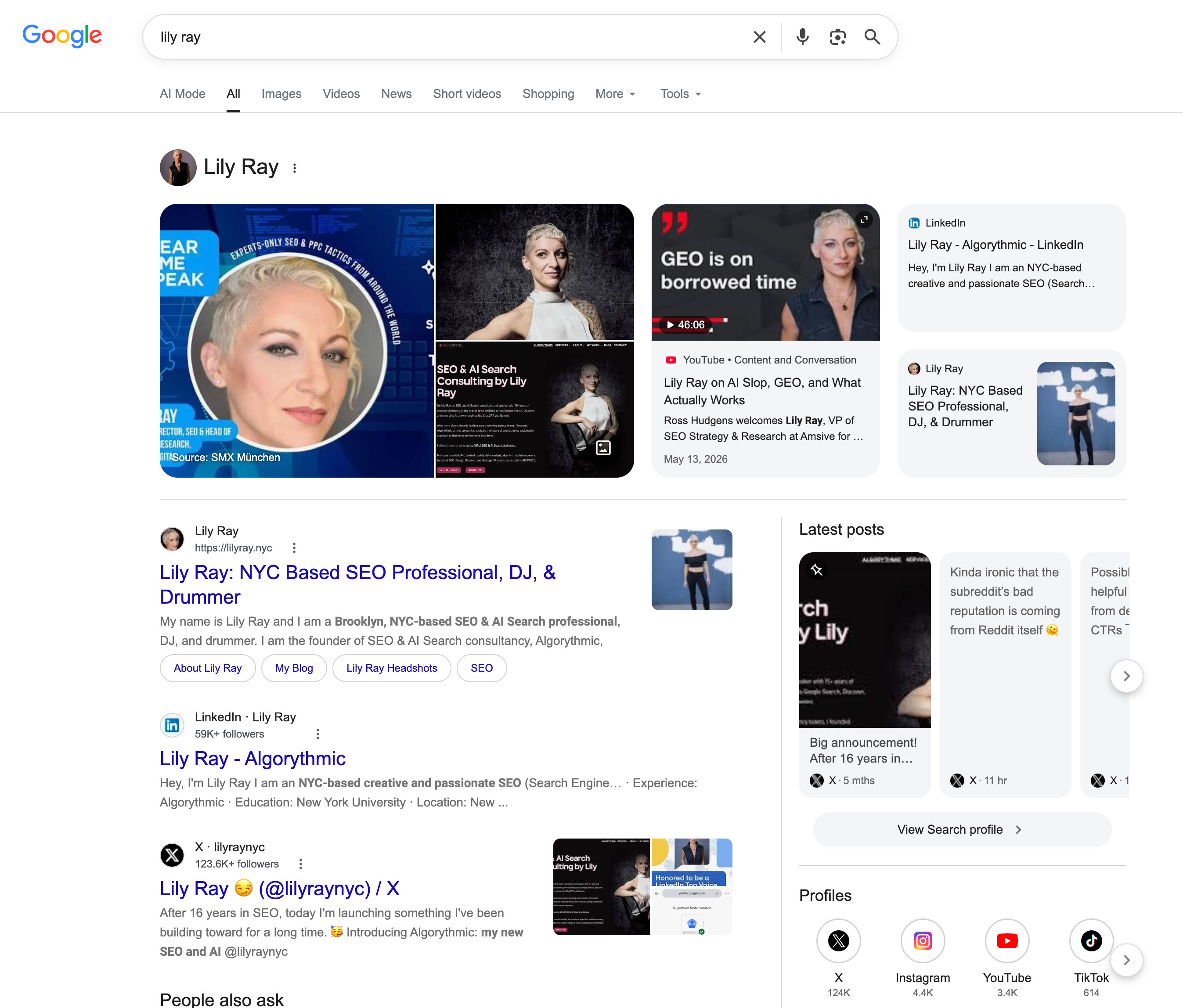
Google recently removed the Follow button from the desktop search results page. The button used to sit next to a Search Profile and let users subscribe to updates from a particular publisher, creator, or local business. While the feature remains on mobile, desktop users no longer see the quick‑follow link.
Key Details
- The change was first reported by Barry Schwartz of Search Engine Roundtable on September 28, 2026.
- On desktop, the button appeared next to the Knowledge Panel for the searched entity.
- On mobile, the follow option is still present inside the Knowledge Panel.
- Google frames the removal as part of a broader refinement of its search UI, intended to streamline results.
- Search Profiles themselves are unchanged; they continue to appear in the Knowledge Panel, just without a desktop follow link.
- Google has not issued an official explanation, but analysts speculate the move reduces visual clutter and nudges users toward mobile engagement.
What It Means For Your Business
- Visibility shift – Desktop users who previously followed a business with a single click now need another path to stay informed. Consider adding a prominent call‑to‑action on your website or a “Follow us” link inside the Knowledge Panel.
- Mobile advantage – If your customers primarily search on smartphones, the follow button remains a valuable touchpoint. Optimize your mobile presence and keep your Knowledge Panel fully populated.
- AI‑citing impact – AI assistants such as ChatGPT and Gemini draw from Search Profiles when answering queries. With fewer desktop follows, the frequency with which your profile is surfaced to these tools could dip.
- Local SEO strategy – Local firms often rely on follows to nurture a community. Supplement the missing desktop option with email newsletters, social‑media follow buttons, or on‑site subscription forms.
- Competitive edge – Rivals that maintain a robust mobile footprint and an active Knowledge Panel may continue to attract follows. Keep your listings current, respond to reviews, and post regular updates.
In short, the removal signals a shift toward mobile‑centric engagement. Businesses should adapt by strengthening mobile optimization, leveraging alternative follow mechanisms, and ensuring their Search Profile remains rich and up‑to‑date for AI tools to cite.
Why It Matters
For companies that depend on AI assistants to surface their brand, every point of visibility matters. The desktop Follow button offered a frictionless way for users to subscribe to updates, creating a direct pipeline of interested prospects. Its disappearance means fewer desktop users can quickly add a business to their AI‑driven knowledge base.
AI tools like ChatGPT, Gemini, and Google AI pull from Search Profiles to answer user queries. When a profile is followed less often, its prominence in AI responses can wane, which may lower brand recall and organic traffic. By bolstering mobile optimization and providing alternative subscription channels, businesses can offset this loss and keep AI citations strong.
Ultimately, the change underscores the importance of a mobile‑first strategy. As AI assistants increasingly rely on up‑to‑date, user‑engaged profiles, maintaining a solid mobile presence and a comprehensive Knowledge Panel becomes essential for sustained discovery and citation.
Why This Matters For Your Business
For companies that rely on AI assistants to surface their brand, every point of visibility matters. The desktop Follow button offered a frictionless way for users to subscribe to updates, creating a direct pipeline of interested prospects. Its disappearance means fewer desktop users can quickly add a business to their AI‑driven knowledge base. AI tools like ChatGPT, Gemini, and Google AI pull from Search Profiles to answer user queries. When a profile is followed less often, its prominence in AI responses can wane, which may lower brand recall and organic traffic. By bolstering mobile optimization and providing alternative subscription channels, businesses can offset this loss and keep AI citations strong. Ultimately, the change underscores the importance of a mobile‑first strategy. As AI assistants increasingly rely on up‑to‑date, user‑engaged profiles, maintaining a solid mobile presence and a comprehensive Knowledge Panel becomes essential for sustained discovery and citation.
Frequently Asked Questions
Why did Google remove the follow button from desktop?
Google has not issued a formal statement, but experts think the removal is part of a UI streamlining effort that prioritizes mobile engagement and reduces visual clutter on desktop search results.
Will the removal affect my local SEO ranking?
The removal itself does not directly alter rankings, but it eliminates an easy way for users to follow and engage with your business, which could indirectly affect click‑through rates and other user‑signal metrics.
How can I compensate for the missing desktop follow button?
Complete and regularly update your Google Business Profile, encourage users to subscribe via email or social media, and optimize your website for mobile to keep the mobile follow option active.
Is your business showing up in AI search?
Get your free AI visibility audit - see if ChatGPT, Perplexity, and Google AI actually recommend you.