
Home / News / Google Search Console Platform Properties: Boost Your AI Search SEO
Google Search Console Platform Properties: Boost Your AI Search SEO
Google's introduction of Platform Properties in Search Console bridges the gap between search engine optimization (SEO) and social media marketing. This feature allows businesses to track YouTube, TikTok, and Instagram search performance directly, exposing massive, previously invisible search traffic. To dominate modern search and earn citations in AI engines, businesses must build a unified social topical map.
Key Highlights
- ✓Google Search Console launched Platform properties to track search performance for YouTube, TikTok, and Instagram.
- ✓Initial data reveals millions of unmeasured search impressions originating from social and video content.
- ✓Modern search and AI engines use multimodal models to process video transcripts, images, and text simultaneously.
- ✓Creating a 'social topical map' allows businesses to capture multiple result slots and earn citations in AI search tools.
The Shift in Search Engine Optimization
For years, business owners and marketing teams treated search engine optimization (SEO) and social media marketing as separate playbooks. Website pages were optimized for Google search results, while YouTube videos, TikToks, and Instagram posts were crafted for platform engagement, likes, and subscribers.
That artificial divide has dissolved. Google has quietly launched Platform Properties in Google Search Console (GSC), allowing creators and brand managers to connect social profiles and video channels to track their organic search performance.
What Happened
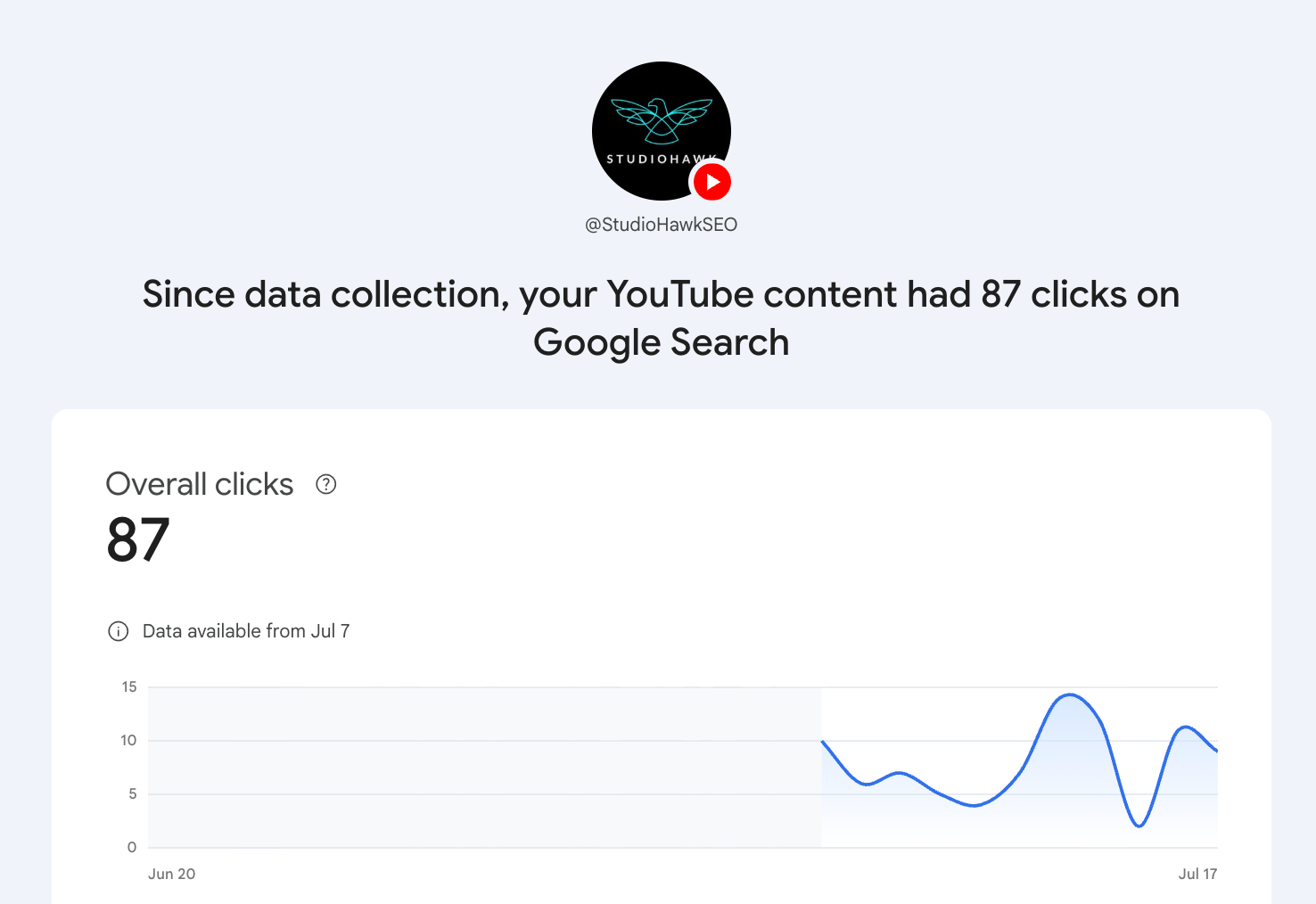
Google Search Console Product Lead Moshe Samet announced the rollout of Platform Properties, allowing account owners to connect YouTube channels, Instagram profiles, and TikTok accounts directly to GSC.
Once connected, business owners gain access to a dedicated performance report showing the exact search queries, impressions, click-through rates, and rankings that their social media profiles are securing on Google Search.
Early testing highlights the immense scope of this previously hidden data. In one published case study, connecting a single YouTube channel revealed over 18,000 search impressions on day one. Within 11 days, the total surged past 200,000 impressions, representing an estimated 6.7 million search impressions per year that previously went completely unmonitored by the business.
Key Details
To fully understand why this feature was introduced, it helps to examine how modern search technology operates under the hood:
- Multimodal Search Indexing: Google Search and emerging AI engines are no longer restricted to plain text on a web page. Modern algorithms read images, analyze video frames, evaluate audio transcripts, and process short-form social posts as first-class search results.
- Substantial Impression Gaps: Social and video content frequently garners high impression volumes in search results with lower immediate click-through rates. However, these visual placements act as massive brand discovery touchpoints for consumers who browse search results and AI-generated answers.
- Multi-Slot SERP Ownership: When a business relies solely on traditional website articles, it can only win one single text link on a results page. By deploying content across text, video, and social formats, a brand can claim multiple visual and text slots for a single query.
- Unified Entity Recognition: Google views your website, YouTube channel, and social profiles as interconnected components of a single brand entity. Unified tracking in Search Console allows marketers to see how well Google understands this complete brand presence.
What It Means For Your Business
If you run a local or small business, this update demands an evolution in how you plan, map, and deploy your content strategy. Simply maintaining a website and writing blog posts is no longer enough to win recommendations from Google Search or AI answer engines like ChatGPT, Perplexity, and Gemini.
1. Build a Unified Social Topical Map
Instead of treating your blog, YouTube channel, and social media feeds as isolated projects, you need a social topical map. Choose a core topic relevant to your business (e.g., "Commercial Roof Repair") and map it out across every media format:
- Written Content: In-depth blog guides and service landing pages on your website.
- Long-Form Video: YouTube tutorials demonstrating actual roof repair techniques.
- Short-Form Social: TikTok or Instagram Reels offering 30-second maintenance tips.
When AI engines scan the web to answer user prompts, seeing your brand address a topic consistently across text, video, and social channels signals unmatched topical authority.
2. Connect Your Social Accounts to Search Console Immediately
Don't leave your brand visibility to guesswork. Have your webmaster or marketing agency connect your business's YouTube, TikTok, and Instagram profiles to Google Search Console today. Use the new data to answer critical questions:
- What specific questions are users searching for when your videos pop up?
- Which social posts trigger search impressions but lack clicks? (Optimize their titles and thumbnails!)
- Are customers discovering your local services through visual media before visiting your site?
3. Capture AI Citations and Overviews
AI engines rely heavily on video transcripts and social engagement metadata when synthesizing answers for users. When someone asks an AI tool like Gemini or ChatGPT for a local recommendation or service explanation, having search-indexed video and social media assets drastically increases your chances of being cited as the authoritative source.
By unifying your web, social, and video strategies into one cohesive topical map, your business ensures it gets found, indexed, and cited wherever your prospective customers are searching.
Why This Matters For Your Business
For small and local businesses, getting cited by AI search tools like ChatGPT, Gemini, Perplexity, and Google AI Overviews requires building undeniable topical authority. AI answer engines do not simply read static web pages; they scan video transcripts, social posts, and visual assets to decide which local business is the true market leader. Google's rollout of Platform Properties formalizes the role of social and video content in modern search indexation. If your business relies exclusively on traditional website text, you are competing for only a fraction of the search real estate. By unifying your web content and social profiles into a strategic topical map, you ensure that AI engines discover, trust, and recommend your business across every digital touchpoint.
Frequently Asked Questions
What are Google Search Console Platform Properties?
Platform Properties in Google Search Console allow business owners to link external channels like YouTube, TikTok, and Instagram to view organic search performance, including impressions, clicks, and ranking search queries for social content.
How does social media content affect AI Search citations?
AI search engines like ChatGPT, Perplexity, and Gemini rely on multimodal AI models that read video transcripts and social posts. Having optimized social content increases the likelihood that AI engines verify your business authority and cite you in user responses.
What is a social topical map and how do I create one?
A social topical map is a content plan that covers a single business subject across multiple formats. To create one, plan your key service topics and execute them simultaneously as blog posts, YouTube videos, and short-form social clips so search engines recognize your brand across all channels.
Is your business showing up in AI search?
Get your free AI visibility audit - see if ChatGPT, Perplexity, and Google AI actually recommend you.