
Home / News / Google Spam Update Hits Small Businesses: What You Need to Know
Google Spam Update Hits Small Businesses: What You Need to Know
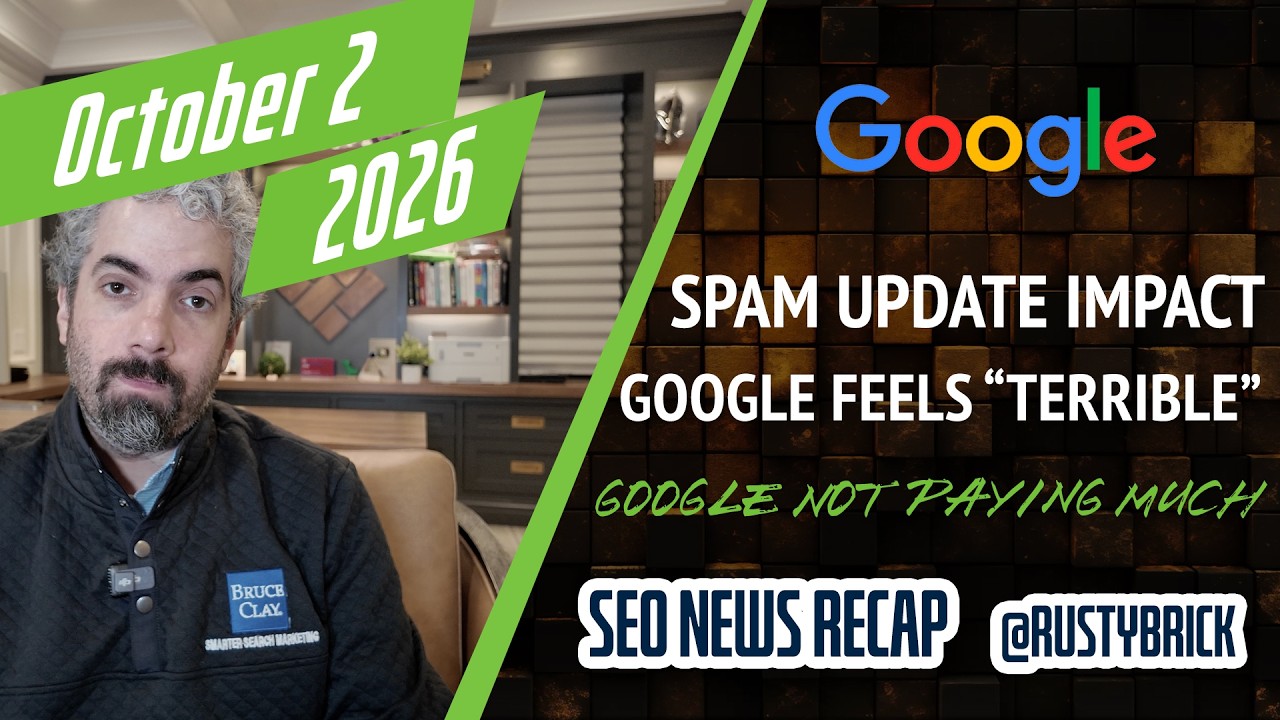
The Google September 2026 spam update has begun to ripple through local search, affecting rankings, citations, and AI-powered discovery tools. Following the initial impact last week, the second wave hitting this week forces businesses to prioritize user-centric content over deceptive tactics. This guide breaks down the effects on AI-driven search and offers actionable steps to recover visibility.
Key Highlights
- ✓Google’s spam update is now affecting local businesses and AI search tools
- ✓High‑quality, consistent NAP data is critical for AI visibility
- ✓Structured data boosts rankings and AI citation accuracy
- ✓Businesses can recover in 4–6 weeks with timely content updates
The Google September 2026 spam update, released last week, marks the first major change in a series of algorithmic tweaks aimed at curbing low‑quality content and spammy SEO practices. While the initial impact focused on large, high‑profile sites, the second wave launched on Wednesday and Thursday has begun to hit local and niche businesses. As we covered this week, the ripple effects are already visible, and the AI contribution report is becoming a critical tool for understanding these shifts. The update is designed to penalize sites that rely on keyword stuffing, hidden text, or other deceptive tactics, and to reward those that provide genuine, user‑centric value.
Key Details
- Scope of Impact: The update is affecting both traditional SERP rankings and AI‑driven search tools such as ChatGPT, Perplexity, Gemini, and Google AI Overviews.
- Penalty Mechanism: Sites that previously relied on bulk content or automated link schemes see a sharp drop in rankings, often losing visibility in the top 10 for core keywords.
- Positive Signals: High‑quality, well‑structured local content—especially pages that include up‑to‑date business hours, customer reviews, and schema markup—are now ranked higher.
- AI Contribution Report: Google’s new AI contribution report shows that AI tools are increasingly pulling data from local citations. If your business isn’t accurately cited, AI assistants will default to competitor information.
- Recovery Timeline: Initial ranking drops can be seen within 48–72 hours, but full recovery may take 4–6 weeks if content is updated promptly.
What It Means For Your Business
1. Audit Your Local Listings: Verify that your business name, address, and phone number (NAP) are consistent across Google My Business, Bing Places, Yelp, and industry‑specific directories. Inconsistencies can trigger AI tools to pull incorrect data.
2. Refresh Your Content: Update older blog posts and service pages to remove keyword stuffing, add fresh media, and improve readability. Use clear headings and bullet points to help AI models parse the content accurately.
3. Implement Structured Data: Add schema markup for local business, reviews, and events. This signals to Google and AI tools that your page is authoritative and relevant.
4. Monitor AI Citations: Use tools like VisibilityAI to track how often your business appears in AI‑generated answers. If you notice a decline, investigate whether your citations are still accurate.
5. Focus on User Intent: Craft content that answers common local questions (e.g., "What are your hours?", "Do you offer curbside pickup?"). AI assistants prioritize content that directly satisfies user intent.
By taking these steps, you can mitigate the negative effects of the spam update, strengthen your presence in AI‑driven search, and keep your local audience engaged.
Actionable Checklist
- [ ] Verify NAP consistency across all platforms.
- [ ] Remove or rewrite keyword‑dense sentences.
- [ ] Add or update schema markup for local business.
- [ ] Post a new blog post addressing a trending local topic.
- [ ] Submit a request for citation correction where needed.
- [ ] Review AI citation reports weekly.
Staying proactive now will help you maintain visibility and ensure that AI assistants recommend your business over competitors.
Final Thoughts
The September 2026 spam update is a reminder that search—and AI—are constantly evolving. While the penalties may feel painful, the opportunities to refine your content and citations are immense. By aligning your strategy with user intent and leveraging structured data, you position your business not just to survive, but to thrive in the AI‑centric search landscape.
Why It Matters
For a small business, visibility in AI‑powered search tools is as vital as traditional SERPs. When AI assistants like ChatGPT or Gemini pull data from your local citations, they can become the first point of contact for a potential customer. If your business information is inaccurate or your content is flagged as low‑quality, AI tools will default to competitors—effectively erasing your presence from the AI search ecosystem.
Moreover, the spam update’s focus on penalizing deceptive practices means that businesses that once relied on aggressive link building or keyword stuffing will now see a sharp decline in rankings. This shift forces a return to fundamentals—authentic, user‑centric content—and offers a chance to out‑shine competitors who haven’t updated their strategy.
In short, staying ahead of the update is not just about maintaining current rankings; it’s about securing a future where AI assistants can confidently recommend your business, driving traffic, leads, and sales.
FAQs
- {"question": "How do I know if my business is affected by the spam update?", "answer": "Check your Google Search Console for any manual actions or significant traffic drops. Use VisibilityAI to see if your citations appear in AI-generated answers."}
- {"question": "Will updating my content fix the ranking drop immediately?", "answer": "Not instantly. It typically takes 4–6 weeks for Google to re‑crawl and re‑rank pages after content changes, but early improvements in relevance can help mitigate the drop."}
- {"question": "What if my NAP data is inconsistent across platforms?", "answer": "Inconsistent NAP data can lead to AI tools pulling incorrect information. Standardize your business details across all listings and submit corrections to major directories."}
Why This Matters For Your Business
For a small business, visibility in AI‑powered search tools is as vital as traditional SERPs. When AI assistants like ChatGPT or Gemini pull data from your local citations, they can become the first point of contact for a potential customer. If your business information is inaccurate or your content is flagged as low‑quality, AI tools will default to competitors—effectively erasing your presence from the AI search ecosystem. Moreover, the spam update’s focus on penalizing deceptive practices means that businesses that once relied on aggressive link building or keyword stuffing will now see a sharp decline in rankings. This shift forces a return to fundamentals—authentic, user‑centric content—and offers a chance to out‑shine competitors who haven’t updated their strategy. In short, staying ahead of the update is not just about maintaining current rankings; it’s about securing a future where AI assistants can confidently recommend your business, driving traffic, leads, and sales.
Frequently Asked Questions
How do I know if my business is affected by the spam update?
Check your Google Search Console for any manual actions or significant traffic drops. Use VisibilityAI to see if your citations appear in AI-generated answers.
Will updating my content fix the ranking drop immediately?
Not instantly. It typically takes 4–6 weeks for Google to re‑crawl and re‑rank pages after content changes, but early improvements in relevance can help mitigate the drop.
What if my NAP data is inconsistent across platforms?
Inconsistent NAP data can lead to AI tools pulling incorrect information. Standardize your business details across all listings and submit corrections to major directories.
Is your business showing up in AI search?
Get your free AI visibility audit - see if ChatGPT, Perplexity, and Google AI actually recommend you.