
Home / News / Google Tests New Sitelink Designs: What It Means for Local Businesses
Google Tests New Sitelink Designs: What It Means for Local Businesses
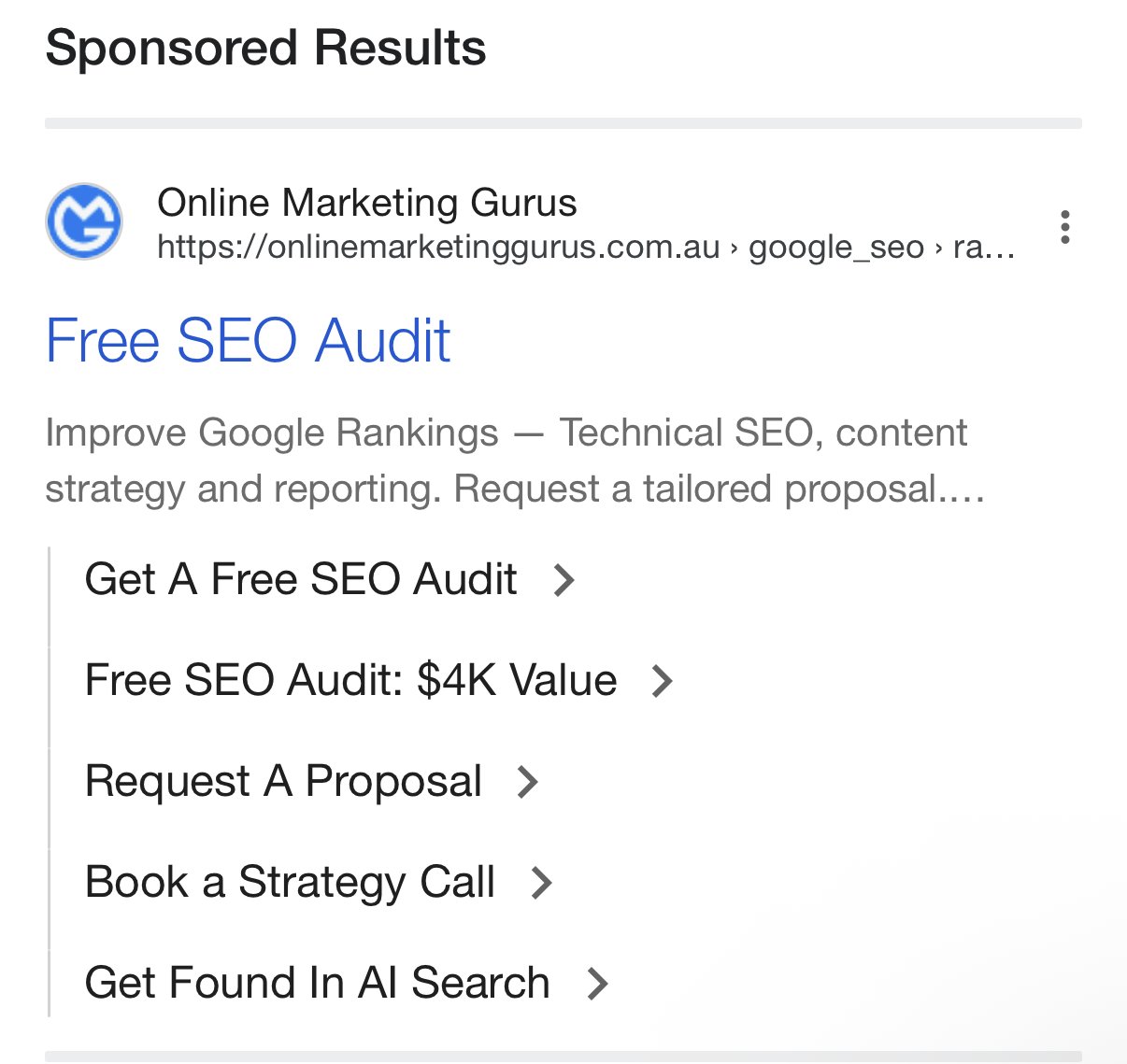
Google is testing a new sitelink layout that lists links line‑by‑line with a subtle left‑hand separator on mobile. The change aims to simplify navigation and may increase click‑through rates, especially for local businesses. Keep an eye on how the experiment unfolds to adjust your local SEO strategy accordingly.
Key Highlights
- ✓New line‑by‑line sitelink layout
- ✓Test runs on mobile results
- ✓Potential boost in click‑through rates
- ✓Improved AI assistant parsing
What Happened\n\nGoogle has begun testing a refreshed sitelink layout in its search results. The new variation displays sitelinks one after another, separated by a faint horizontal line on the left side of the mobile snippet. This tweak is part of a broader initiative to make navigation from search results faster and clearer for users.\n\n## Key Details\n\n- **Design**: Sitelinks stacked line‑by‑line with a subtle left‑hand separator.\n- **Platform**: Visible only on mobile; desktop results stay the same.\n- **Scope**: A/B tests run across multiple verticals—including local businesses, e‑commerce, and informational sites.\n- **Duration**: The experiment will last several weeks before any permanent change.\n- **Visibility**: The layout appears only when sitelinks are generated for a query, not for every search.\n\n## What It Means For Your Business\n\n### 1. Enhanced Click‑Through Rates\nA cleaner, more organized snippet helps users locate the exact page they want. For a local shop, that could translate into more clicks to a store‑locator or booking page.\n\n### 2. Better AI‑Tool Recognition\nStructured snippets feed AI assistants such as ChatGPT and Gemini. A consistent sitelink format lets these tools parse and cite your pages with greater accuracy.\n\n### 3. Citation Consistency\nIf your business is listed on directories, the new design can reinforce the same URL structure across Google and third‑party sites, strengthening your citation profile.\n\n### 4. Mobile‑First Advantage\nWith most local searches happening on mobile, a tidy snippet reduces friction. Users on the go will see a clear list of options, encouraging clicks.\n\n### 5. Competitive Edge\nEarly adopters who track sitelink performance can identify which URLs get highlighted and adjust their content accordingly. Small businesses that stay on top of this trend can stay ahead of rivals.\n\n### Practical Steps\n\n- **Audit Your Pages**: Make sure each page has a clear, keyword‑rich title and meta description so Google can generate sitelinks.\n- **Local Schema**: Add LocalBusiness schema to signal which pages matter for location‑based queries.\n- **Monitor Performance**: Use Search Console to see how often sitelinks appear and which ones drive traffic.\n- **Feedback Loop**: If certain sitelinks aren’t useful, tweak your internal linking and page hierarchy so Google can choose better options.\n\nBy staying informed about Google’s sitelink experiments, you can proactively adapt your local SEO strategy, improve visibility in AI‑powered search, and ultimately drive more foot traffic and conversions.\n\nWhy It Matters:\n\nGoogle’s ongoing sitelink redesigns directly influence how easily potential customers find your business in search results. A clean, organized snippet can reduce the time it takes a user to locate your store, booking page, or contact information—especially on mobile where screen real‑estate is limited. For local businesses, that means higher click‑through rates and a greater chance of converting a curious browser into a foot‑traffic or online sale.\n\nBeyond human users, the rise of AI‑powered assistants like ChatGPT, Gemini, and Google’s own AI tools means that structured snippets are becoming a primary source of information. If your sitelinks are clear and consistent, these assistants can reliably pull and display your business details, boosting your visibility across multiple platforms. A well‑formatted sitelink also signals to search engines that your pages are authoritative, potentially improving your overall search ranking.\n\nFinally, the sitelink experiment is part of Google’s broader effort to improve local search relevance. By aligning your content and schema with the new design, you position your business to benefit from any future permanent rollout—making your local presence stronger, more discoverable, and more AI‑friendly.
Why This Matters For Your Business
Google’s sitelink redesigns shape how quickly a potential customer can find your store, booking page, or contact details—especially on mobile where every pixel counts. A tidy, line‑by‑line snippet cuts the decision time, boosts click‑through rates, and increases the likelihood of turning a browser into a foot‑traffic or online sale.\n\nAt the same time, AI assistants are increasingly pulling data from structured snippets. When sitelinks are clear and consistent, these tools can pull your business information accurately, amplifying your reach across chat and voice interfaces. A well‑formatted sitelink also signals authority to search engines, which can help improve overall rankings.\n\nBy aligning your content and schema with Google’s new design, you not only prepare for a possible permanent rollout but also strengthen your local visibility in a world where AI‑powered search is becoming the norm.
Frequently Asked Questions
What are sitelinks?
Sitelinks are additional links that appear below a main search result, guiding users directly to relevant sub‑pages of a website.
Will this new design affect my rankings?
The design change itself doesn’t directly alter rankings, but clearer sitelinks can boost click‑through rates, which may indirectly improve rankings over time.
How can I prepare my site for the new sitelink format?
Make sure each page has a descriptive title, structured data like LocalBusiness schema, and a logical internal link structure so Google can generate accurate sitelinks.
Is your business showing up in AI search?
Get your free AI visibility audit - see if ChatGPT, Perplexity, and Google AI actually recommend you.