
Home / News / Googlebot Now Follows Homepage Redirects to Favicons: What It Means for Local SEO
Googlebot Now Follows Homepage Redirects to Favicons: What It Means for Local SEO
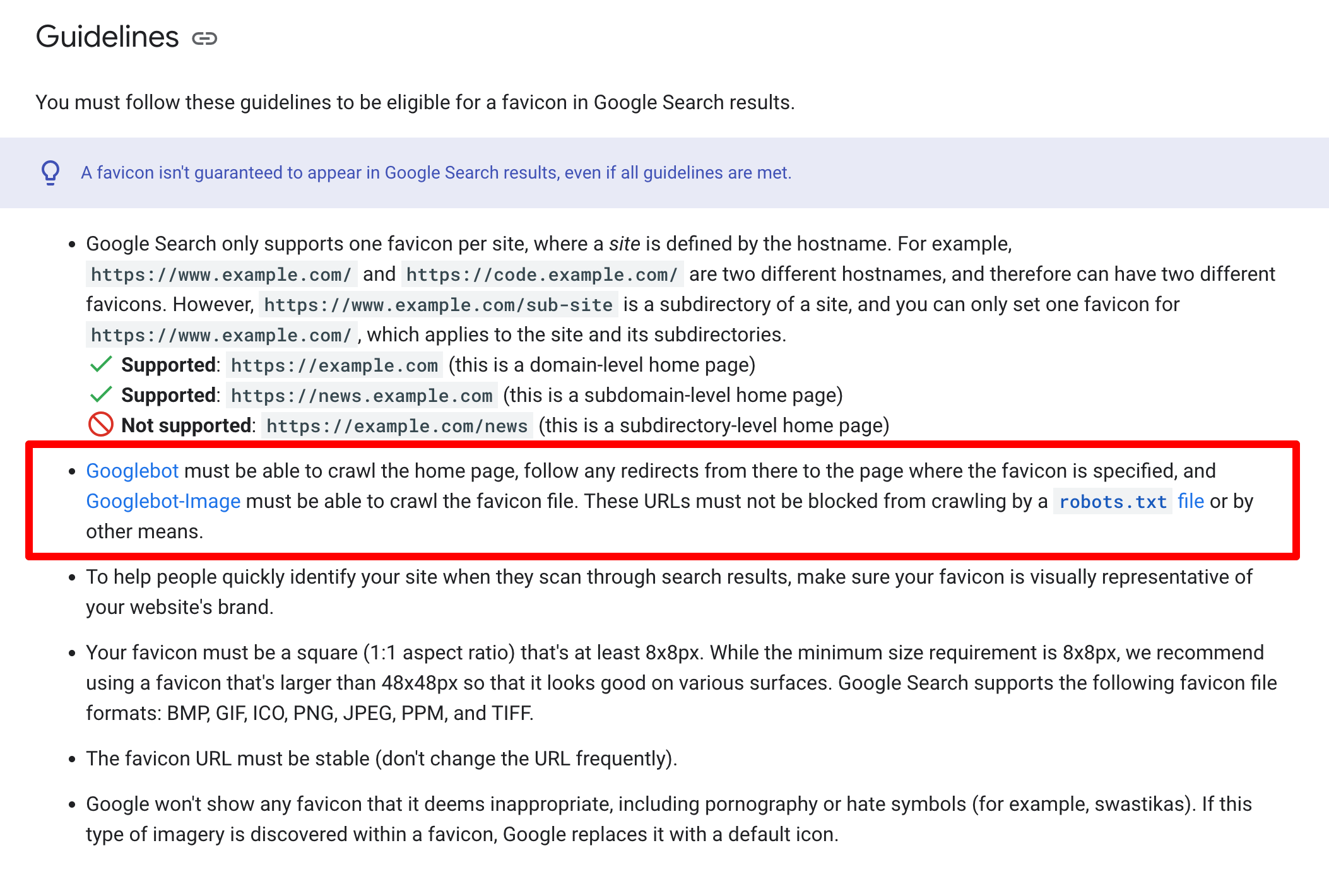
Google has revised its favicon guidelines, now requiring Googlebot to follow any redirects from the homepage to the page that declares the favicon and to ensure those URLs aren’t blocked. The change affects how local businesses appear in AI‑driven search results, making it essential to verify redirect chains and robots.txt settings.
Key Highlights
- ✓Googlebot must now follow homepage redirects to find the favicon
- ✓Robots.txt cannot block the homepage or favicon URLs
- ✓Favicons impact brand visibility in AI‑powered search results
- ✓Small businesses need to audit redirects and robots.txt for compliance
# Googlebot Must Follow Redirects From Homepage To Favicon, Updated Doc Say
What Happened
Google recently refreshed its official favicon documentation, specifying that Googlebot must be able to crawl the home page and follow any redirects to the page where the favicon is declared. The updated wording also makes it clear that the URLs involved cannot be blocked by robots.txt or any other restriction. Barry Schwartz reported the change on October 27, 2026.
Key Details
- Redirects are now required: When your homepage redirects (for example, from
https://example.comtohttps://www.example.com), Googlebot will follow that redirect to locate the favicon. - Robots.txt must allow access: Both the homepage and the final favicon URL must be reachable; they cannot be disallowed in your robots.txt file.
- Googlebot-Image must crawl the favicon: The image‑crawling bot needs permission to fetch the actual icon file.
- Previous guidance was simpler: Earlier docs only required Googlebot to crawl the homepage and Googlebot‑Image to fetch the favicon. The new guidance stresses the entire redirect chain.
- Implications for SEO tools: AI assistants that pull data from Google’s index will now display the favicon beside search results, strengthening brand recognition.
What It Means for Your Business
1. Brand Visibility in AI Searches
Favicons appear next to your business name in Google search, ChatGPT, Gemini, and other AI assistants. If Googlebot can’t retrieve the icon, your brand may show up without a visual cue, diminishing trust and click‑through rates.
2. Consistency Across Redirects
Many local sites standardize URLs with a non‑www → www redirect (or the reverse). With the new rule, that redirect path must remain crawlable and unblocked; otherwise Googlebot may never reach the favicon.
3. Avoiding Crawl Errors
Blocked or inaccessible favicon URLs generate crawl errors in Search Console, which can waste crawl budget and affect overall index quality.
4. Actionable Checklist
- Verify redirect chain: Run Screaming Frog, Sitebulb, or a similar crawler to confirm the homepage redirect leads to a page that contains the
<link rel="icon">tag. - Check robots.txt: Remove lines such as
User-agent: * Disallow: /favicon.icothat would block the icon. - Update favicon link: Insert
<link rel="icon" href="/assets/favicon.ico" type="image/x-icon" />inside the<head>of the final landing page. - Submit to Search Console: Re‑submit your sitemap and request a recrawl so Google picks up the changes promptly.
- Monitor AI results: Look at how your business appears in ChatGPT or Gemini searches to verify that the icon is displayed.
Bottom Line
The updated favicon rules may appear minor, but for local and small businesses a missing icon can blunt brand recognition in AI‑driven search results. Ensuring that homepage redirects are crawlable and not blocked keeps your visual brand element visible wherever Google’s index is used.
---
FAQ
Q1: Do I need to host my favicon on a separate domain?
A1: No. Host the favicon on the same domain as your site, but confirm that the link remains reachable after any redirects.
Q2: Will this change affect my existing SEO rankings?
A2: The update targets favicon visibility, not core rankings. Still, a visible icon can improve click‑through rates and reinforce brand trust, which may indirectly benefit SEO.
Q3: How can I test if Googlebot can crawl my favicon?
A3: Use Search Console’s “URL Inspection” tool or the “Fetch as Google” feature. Crawlers like Screaming Frog’s “Fetch as Google” can also simulate the request.
Why It Matters
For businesses that depend on discovery through AI assistants such as ChatGPT, Gemini, or Google’s own AI, visual signals like favicons help users identify a brand instantly. When those assistants pull data from Google’s index, a missing or blocked favicon makes a listing look generic, reducing perceived credibility.
Beyond aesthetics, Google’s emphasis on accessible web assets signals a broader push for clean crawl paths. If favicons trigger crawl errors, Google may allocate less crawl budget to other important pages, slowing the indexing of fresh content. Local businesses that keep their redirect chains open and their favicon files reachable enjoy smoother indexing, quicker updates to new listings, and a stronger presence in the AI‑driven search landscape that many customers now use to find services.
Why This Matters For Your Business
For businesses that rely on AI assistants—ChatGPT, Gemini, or Google’s own conversational tools—a favicon acts as a quick visual identifier, reinforcing brand trust at a glance. When the icon is missing, the listing appears bland, which can lower click‑through rates and diminish the perceived professionalism of the business. Google’s new requirement also reflects its broader focus on ensuring that all web assets are reachable. Blocked favicons generate crawl errors that waste crawl budget, potentially delaying the indexing of new pages or updates. By keeping redirect chains open and robots.txt permissive, local businesses safeguard both their visual branding and the efficiency of Google’s crawling process.
Frequently Asked Questions
Do I need to host my favicon on a separate domain?
No. Host the favicon on the same domain as your site, but ensure the link stays accessible after any redirects.
Will this change affect my existing SEO rankings?
The update targets favicon visibility, not core rankings. However, a visible icon can boost click‑through rates and reinforce brand trust, which may indirectly support SEO performance.
How can I test if Googlebot can crawl my favicon?
Use Search Console’s “URL Inspection” tool or the “Fetch as Google” feature. Tools like Screaming Frog’s “Fetch as Google” can also simulate the crawl to confirm access.
Is your business showing up in AI search?
Get your free AI visibility audit - see if ChatGPT, Perplexity, and Google AI actually recommend you.