
Home / News / Google’s August Spam Update: How Small Businesses Can Recover
Google’s August Spam Update: How Small Businesses Can Recover
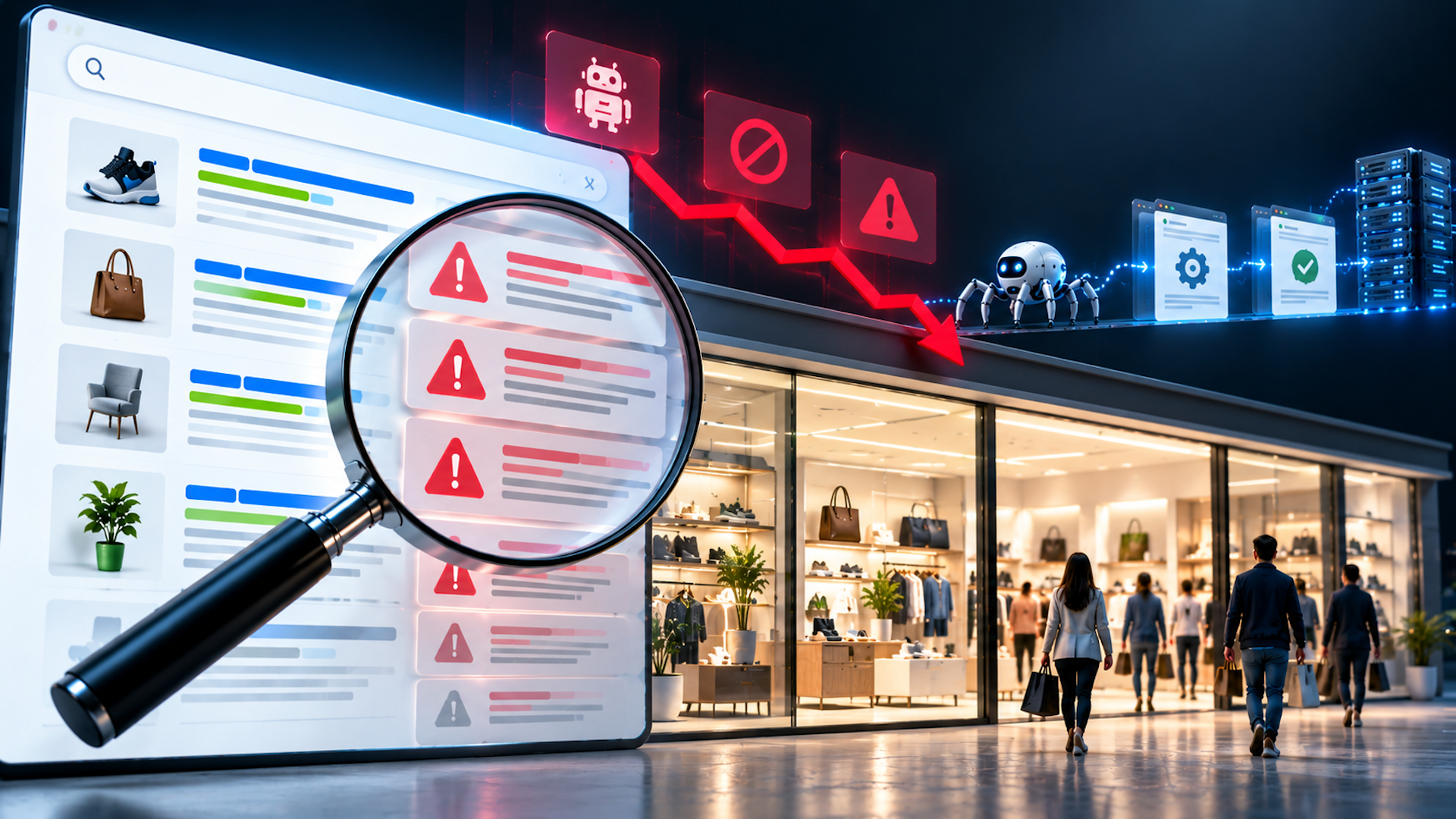
Google’s August 2026 spam update has slashed rankings for many local retailers, targeting low‑quality content while a wave of manual penalties follows. The update landed during summer break, leaving businesses with a narrow window to act before Q4 sales. Prompt, quality‑focused remediation can restore visibility and protect cash flow during the busiest season.
Key Highlights
- ✓Google’s August 2026 spam update hit during summer, causing sudden ranking drops.
- ✓Update targets low‑quality content, not AI usage per se.
- ✓Manual spam actions overlap with the update, compounding issues.
- ✓Businesses have a narrow window before Q4; immediate action is critical.
What Happened\nOn August 12th, 2026, Google released its latest spam update, officially declaring it complete. Despite the announcement, many sites—particularly local retailers—saw significant ranking declines within days. The update landed in the middle of the summer vacation period, when teams were thinner and many staff members were away.\n\n## Key Details\n- **Targeted Content**: The update zeroes in on *content quality*, not on whether AI was employed. Low‑quality, spun, or aggregated material that fails to deliver real value is now penalized.\n- **Manual Actions**: Alongside the algorithmic change, Google has launched a series of manual spam actions. Fewer sites face manual penalties alone, but a sizable overlap exists where a site endures both.\n- **Impact Window**: Affected businesses have a tight timeframe before Q4 sales kick off; swift action is essential.\n- **Human Oversight**: Sites without solid editorial review are most at risk. Even AI‑generated content can survive if it meets Google’s quality signals.\n\n## What It Means For Your Business\n1. **Reevaluate Your Content Strategy**\n - Audit pages for keyword stuffing, thin content, or duplicate material.\n - Prioritize depth: craft comprehensive guides, FAQs, and local service pages.\n - Ensure each page answers a clear user intent.\n2. **Strengthen Editorial Workflow**\n - Adopt a quality checklist before publishing.\n - Assign a dedicated editor or content manager.\n - Employ plagiarism and duplicate‑content tools.\n3. **Monitor Rankings and Traffic**\n - Set up alerts in tools like Google Search Console, Ahrefs, or VisibilityAI.\n - Track keyword positions weekly; a drop of 5+ spots can flag a problem.\n4. **Address Manual Actions Promptly**\n - If flagged, submit a reconsideration request with a detailed action plan.\n - Document changes: content rewrites, removal of spammy links, etc.\n5. **Leverage Local Citations**\n - Keep NAP consistent across Google My Business, Yelp, and niche directories.\n - High‑quality citations reinforce local relevance and can cushion ranking drops.\n6. **Prepare for Q4**\n - Optimize product pages for holiday shopping.\n - Publish seasonal content that satisfies user intent.\n - Run local ad campaigns to offset any loss in organic traffic.\n\n### Bottom Line\nThe August spam update reminds us that *quality trumps quantity*. For local retailers, a disciplined editorial process and vigilant ranking monitoring can avert a costly visibility dip and preserve cash flow during the busiest season.\n\nWhy It Matters\nThe rise of AI‑powered search assistants like ChatGPT, Gemini, and Perplexity means that search visibility is no longer solely about traditional rankings. These tools rely on high‑quality, trustworthy content to answer user queries. If your local business’s pages fall in the rankings, AI assistants may no longer surface your listings, leading to lost traffic and missed sales.\n\nAI assistants increasingly use local citations and structured data to deliver instant answers. A weak citation profile or inconsistent NAP information can cause your business to be omitted from AI‑generated knowledge panels. By proactively addressing the August spam update and reinforcing content quality, you safeguard your presence across both classic search and emerging AI‑driven discovery platforms.
Why This Matters For Your Business
The surge of AI‑powered assistants has shifted the focus of search visibility from simple keyword placement to delivering genuinely useful, trustworthy information. When your local business’s pages drop in ranking, those assistants are less likely to surface your listings, which can translate directly into lost traffic and revenue. Moreover, AI tools increasingly pull from structured data and local citations to populate knowledge panels; a weak citation profile can cause your business to vanish from these high‑visibility slots. By tightening content quality and ensuring consistent local signals, you protect not only traditional organic traffic but also the new AI‑driven discovery pathways that are becoming essential for local visibility.
Frequently Asked Questions
Will my site recover automatically after the update?
No. Recovery requires a deliberate audit and correction of low‑quality content, followed by close monitoring of rankings to gauge improvement.
How long does a manual penalty last?
A manual penalty remains in effect until you submit a reconsideration request and Google approves your corrective changes.
Can I use AI content safely?
Yes, as long as it is high quality, edited for clarity, and delivers genuine value to users.
Is your business showing up in AI search?
Get your free AI visibility audit - see if ChatGPT, Perplexity, and Google AI actually recommend you.