
Home / News / Unlock AI Shopping: How Your Products Appear in Google & ChatGPT
Unlock AI Shopping: How Your Products Appear in Google & ChatGPT
AI Shopping is transforming how buyers find products across Google, ChatGPT, Perplexity, and Gemini. Here is how local and small business owners can prepare their inventory feeds and citations to win high-intent AI search traffic.
Key Highlights
- ✓Unified product discovery across Google, ChatGPT, Perplexity, Gemini
- ✓Structured data mandatory for AI visibility
- ✓Citation consistency boosts AI trust signals
- ✓Dynamic pricing & inventory sync improve conversion
What Happened
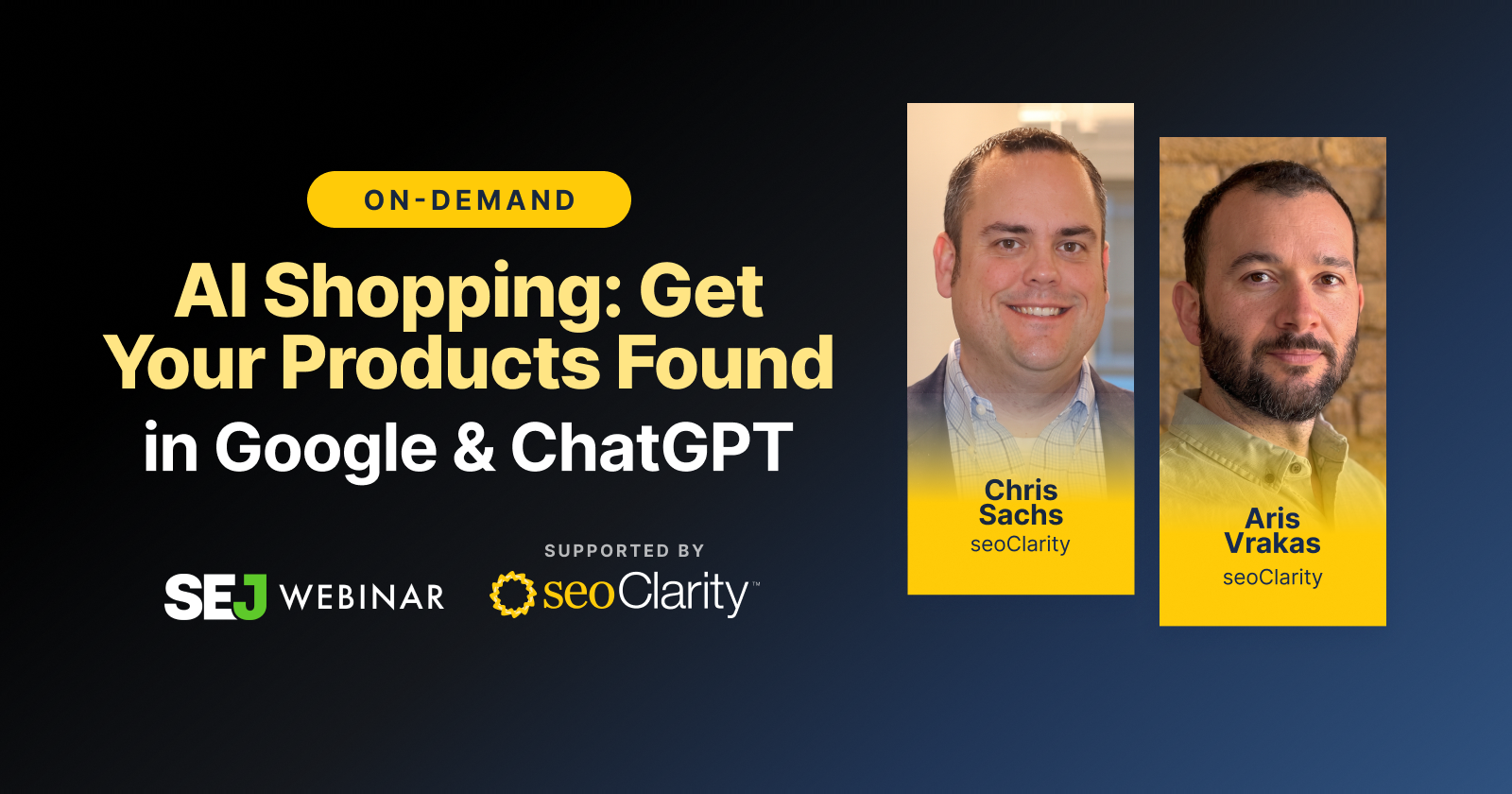
Search Engine Journal recently hosted a session on AI Shopping, spotlighting a collaborative effort involving Google, OpenAI, and other major AI platforms. The initiative allows e-commerce merchants to surface their catalog items directly within conversational search results. Rather than simply pointing users to standard blue links, modern AI models ingest structured product feeds to answer consumer questions with rich visuals, live pricing, and direct checkout options.
Key Details
- AI Shopping acts as a centralized product discovery layer, delivering real-time product information to Google Search, ChatGPT, Perplexity, Gemini, and rival conversational assistants.
- To qualify, retailers must submit structured schema (Product, Offer, AggregateRating) through Google Merchant Center, Shopify, WooCommerce, or BigCommerce for crawling and catalog indexing.
- The architecture supports dynamic pricing, real-time inventory synchronization, and localized search, matching catalog items to a shopper's specific geography and screen.
- To streamline compliance, VisibilityAI has launched a specialized module that scans your existing feeds against conversational criteria and flags immediate optimization fixes.
- Consistent citation guidelines dictate ranking performance: models evaluate structured schema, synchronized NAP (name, address, phone), and active brand social accounts to assess entity credibility.
What It Means For Your Business
1. New Traffic Channels
Consumers increasingly treat conversational assistants as their initial shopping portal. When a prospective buyer prompts, "Where can I buy a waterproof hiking backpack?", these systems can present your exact inventory rather than a generic retailer directory. Consequently, merchants can capture:
- Elevated click-through rates from high-intent answer boxes.
- Stronger conversion rates, as prospects land on pre-filtered, purchase-ready product pages.
2. Importance of Structured Data
AI models disregard product catalogs that lack standard markup. Make sure your operational data exports consistently feature:
- Core identifiers: exact title, full description, product imagery, active pricing, and availability status.
- Catalog specs: brand names, GTINs, and MPNs to resolve direct product queries.
- Customer reviews to deliver the requisite validation signals AI assistants rely on for recommendations.
3. Citation Consistency
Conversational platforms cross-examine third-party citations to confirm merchant legitimacy. Protect your entity footprint by maintaining:
- An accurate, fully fleshed-out Google My Business profile.
- Uniform social media links that match your official domain credentials.
- Synchronized contact information across local directories.
4. Ongoing Optimization
Product visibility in AI search requires proactive maintenance rather than a one-off configuration. Get into the habit of:
- Tracking your listings through the AI Shopping dashboard.
- Refreshing stock numbers and price changes promptly to prevent out-of-stock penalties.
- Testing seasonal phrasing and descriptive long-tail terms directly within product titles.
Structuring your data around conversational guidelines now establishes your catalog as a recognized authority ahead of the next wave of commerce search.
Action Plan
1. Audit product schema to ensure all critical entity fields are populated and error-free.
2. Sync your catalog feed and stock status with Google Merchant Center.
3. Add missing product identifiers, including GTIN, MPN, and customer review data.
4. Verify that business name, address, and contact details match across every primary directory.
5. Track impressions and conversion metrics in the AI Shopping dashboard to refine underperforming items.
Executing these steps safeguards your search footprint as conversational platforms become the standard starting point for consumer purchases.
Why This Matters For Your Business
AI Shopping marks a decisive pivot from traditional keyword matching to intent-driven conversational queries. When small and local retailers properly structure their inventory, their catalog items can populate right inside an assistant's generated answer, bypassing legacy search results entirely. Conversely, brands with missing markup or mismatched citations will be filtered out, forfeiting access to a rapidly expanding consumer audience. Timeliness and accuracy carry substantial weight in conversational algorithms. An assistant that serves an out-of-stock item or an outdated price creates immediate friction for the user, eroding algorithmic confidence and damaging a merchant's underlying organic footprint. Ensuring your product feeds remain synchronized protects brand equity while opening a dependable source of qualified buyers. Treating AI discovery as a core acquisition channel delivers durable compounding value. As multi-modal engines continue to mature, platforms will consistently prioritize merchants with established data reliability, giving prepared brands an enduring advantage in organic visibility and sales conversions.
Frequently Asked Questions
What is AI Shopping?
AI Shopping is a unified product discovery layer that feeds structured product data into AI assistants like Google Search, ChatGPT, Perplexity, and Gemini, allowing merchants to surface their products directly in conversational search results.
Do I need a Google Merchant Center account?
Yes, to get your products indexed by AI Shopping you must supply structured data via Google Merchant Center, or compatible e‑commerce platforms that sync to it.
How do I ensure my citations are consistent?
Keep your Google My Business profile, social media handles, and local directory listings updated with the same NAP (Name, Address, Phone) and website URL to build trust with AI models.
Is your business showing up in AI search?
Get your free AI visibility audit - see if ChatGPT, Perplexity, and Google AI actually recommend you.